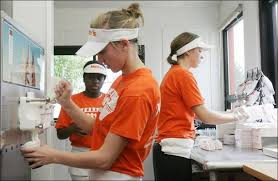
The Australian Retailers’ Association chief executive Paul Zahra said there is scope to let younger workers into the sectors because of the national disparity around the legal working age for students.
“[The Jobs Summit] is another opportunity to create clarity and consistency for students who would like to work limited hours on weekends, holidays and evenings without interfering with their education,” Mr Zahra said.
The ARA put forward its submission to the Jobs and Skills Summit on Wednesday (31 August) that focuses on initiatives to address immediate labour and skills shortages, drive sustainable wages growth and provide more secure work by improving workplace flexibility.
Other initiatives proposed include mobilising more mature age workers, and doubling the amount pensioners can earn before their pension payments are affected.
“Older Australians can play an important role in addressing the staffing challenge, but they are currently limited in the amount they can earn before their pension payments are impacted. Doubling that amount would be a win all round — providing pensioners with the opportunity to supplement their income if they wish, businesses with access to a willing and capable workforce and creating a more empowered pension group that will be mobilised to work and spend,” he said.
As well the ARA said there needs to be increasing investment in retail traineeships to futureproof the sector, provide more employment opportunities and position retail as a career and greater flexibility in part-time work arrangements.
Additionally, the ARA wants to see an increase in the skilled migration intake, with a focus on hard-to-fill retail roles.
“It’s critical we don’t waste this opportunity and commit ourselves to bold reforms that will accelerate Australia’s post-pandemic economic recovery,” Mr Zahra said.
“There are some items on the summit agenda that should be quick-wins — such as the increase to Australia’s skilled migration intake. The Government has talked about increasing the cap from 160,000 to potentially 200,000 — a move that has widespread support in the retail industry.
“This must be balanced with the upskilling and training of our existing talent. Despite being our largest private sector employer and key to Australia’s economic prosperity, retail is often overlooked in government programs around skills, training and traineeships. While there’s an urgent need to fill gaps in the labour market for frontline roles, we also need to prioritise expanding the pool of skilled labour to manage through the ongoing state of disruption.
“For our sector, productivity doesn’t require big structural reform. It’s simply a function of providing greater flexibility in part-time work arrangements that allow businesses to flex-up hours to meet consumer demand or the ability for an employee to work more than one shift per day, providing employees greater choice and access to more work.
“It’s also important that small businesses in particular have the skills and knowledge they need to keep up with the rapid rate of innovation and new and emerging consumer trends. We welcome the government’s commitment in this area, with legislation to be introduced later this year for tax incentives worth more than $1.5 billion.
“Whilst summits can often be seen as glorified talkfests, we’re encouraged at the level of engagement from the Albanese Government, and in particular Treasurer Jim Chalmers, to the concerns of retailers both large and small.”