At a glance
- Small businesses face a “quagmire” of regulation from three levels of government.
- The IPA’s new strategic plan prioritises lifting the regulatory burden on small business.
- Regulation should be designed from a “think small first” perspective, starting with small business.
- A US-style Small Business Administration could act as a regulatory “one-stop shop”.
In late-2025 Australia, deregulation is having a moment. The head of the federal government’s Productivity Commission, Danielle Wood, is arguing for reducing “regulatory hairballs”. One of the government’s most respected economic thinkers, Assistant Minister for Productivity Andrew Leigh, is similarly attacking “thickets of regulation”. And the government’s August Productivity Roundtable has focused yet more attention on the problem.
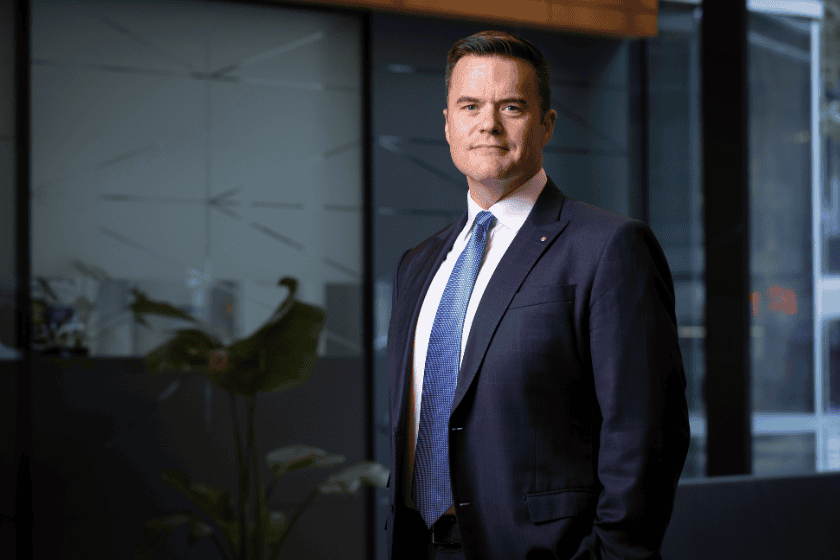
This new focus is especially timely for Andrew Conway. The Institute of Public Accountants’ long-time CEO is embarking on a national roadshow to talk with members about the IPA’s new 2030 Strategic Plan. In an interview with Public Accountant to mark the plan’s rollout, he makes clear that the new plan sets out a more aggressive IPA advocacy stance.
And at the top of the IPA’s priority list? Lifting the current regulatory burden on Australia’s small and medium business.
Cutting through small business’s regulatory ‘thicket’
Conway acknowledges the value of many regulations. They can be “fundamental for a well-functioning market”, he says. The challenge for government is to weed out the regulations that have turned into Andrew Leigh’s “thicket”. He continues: “One of the key things we’re focused on through our research centre [at Deakin University] is actually to say ‘let’s have a rethink – a fundamental rethink – about small business regulation’.”
Conway is particularly scathing about the situations where a small business must simultaneously comply with regulation from three separate levels of government. “In Australia, we have this ridiculous scenario where, if I’m running a cafe in regional Australia, and if I want to put up an A-frame [sign] out the front of my cafe in Wagga, I’ve got to go to my local government, to my local council, to get approval for that. But at the same time, there’s state health regulations about how cold the fridges need to be. Then I need to make sure that the wages and my employee situation comply with federal law.
“I mean, it is … this quagmire of regulation that small businesses just get stuck in.”
Regulation and the auditor drought
For Conway, current audit regulation exemplifies the effects of ill-considered regulation. Australia is suffering a well-documented fall in the number of registered company auditors.
“My personal fear is that the government is careering towards systemic market failure,” he says. “There will simply not be the number of professionals to do the professional engagements to keep the financial market transparent. And I think that’s a significant policy concern.” He says he has been pursuing solutions in discussions with Treasury.
The ‘think small first’ principle
Conway has recognised the current shift in the federal government’s mindset, both on regulation in general and on the treatment of small business in particular. The reform window has opened, at least a little. And while it is open, Conway aims to do what many would-be reform advocates have failed to do: successfully make the case for specific approaches to ease the regulatory burden.
“It is … this quagmire of regulation that small businesses just get stuck in.”
Andrew Conway, CEO, Institute of Public Accountants
His starting point is a regulatory principle which the European Union at least claims to follow: “thinking small first”. It suggests governments should start with a model that is manageable not just for multinationals with teams of lawyers, but by a typical small business.
“That’s often talked about,” he says, “but it’s seldom practised – actually thinking about small business. In relation to regulation, quite often it is large entities that are regulated. Then there’s a cascade down. I think having that approach of [designing regulation from] small business up is really important.”
He is already taking this approach in the IPA’s discussions with government. One example: he has suggested to Treasury that the time has come to consider different levels of auditors with different skillsets and licensing requirements.
The case for a Small Business Administration
Conway has seen previous anti-regulation blitzes close-up; in the early 2020s, he worked on the now-disbanded Prime Minister’s Deregulation Task Force. Such experiences have helped convince him that Australia needs an Australian version of the US’s Small Business Administration (SBA). This Australian regulatory agency would act as a “one-stop shop”. Small businesses could consult it on regulatory compliance, and it could oversee grants and guarantee loans.
“And so if I’m going to set up that cafe in Wagga, I go to the SBA, and it will tell me, here are the things I need to comply with. Bang! – one-stop shop.”
Australia needs to find new models for reducing regulation, he argues – and the SBA fits the bill. “We are keen to propose new regulatory models that would achieve efficiency. Now it wouldn’t be easy to achieve. And don’t get me wrong: you’d require the various governments to refer those powers. But something has to give.”
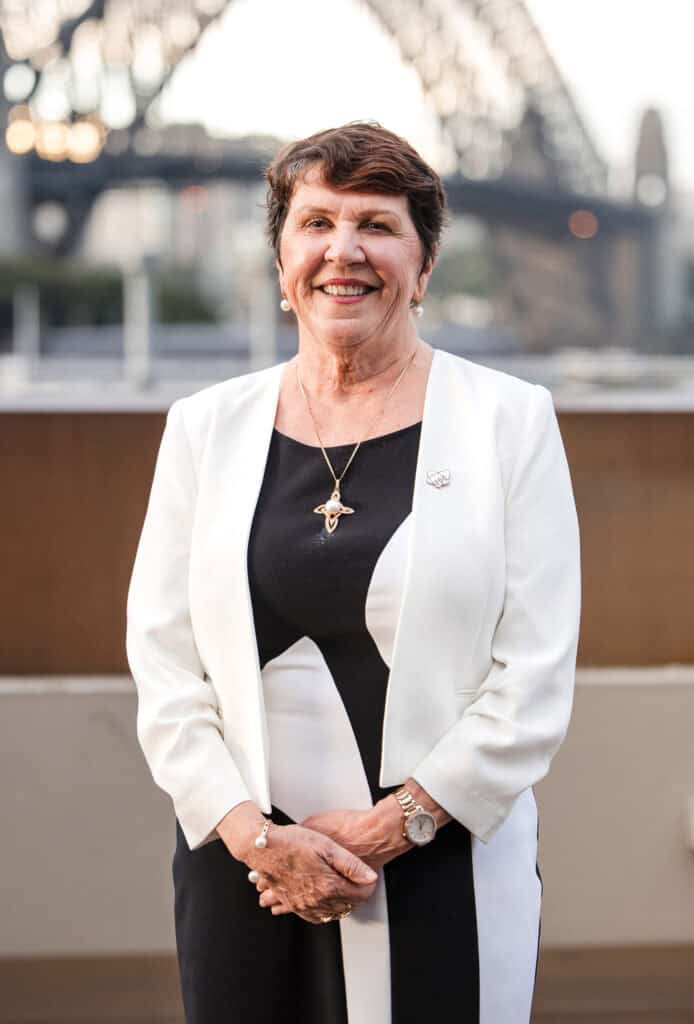
Conway cites IPA chair Cheryl Mallett as a key influence on the IPA’s approach. Mallett told a parliamentary committee in 2024 that government needs to recognise what is realistic for small businesses. She added: “There is a difference between a person that runs, for example, a ship with 4,000 people on it and the person who goes up the river in his dinghy once a fortnight to go fishing.”
Says Conway: “That’s the essence of it.”
Afterword: A plan built on member feedback
The IPA’s new 2030 Strategic Plan is the product of a year of listening to members. The IPA gathered member views using dedicated feedback tools to ensure the final document reflected their “unrestrained and unrestricted” input. That document will be presented to members on a national CEO Roadshow through September 2025.
To learn more about the CEO Roadshow, click here.