The recommendations released on Friday (18 March) have been made to try and preserve the dwindling bank of oil accessible to many countries. It said that around one-third of jobs in economies can be done from home, and could reduce the dependence on the 2.7 million barrels of oil that commuting to work relies on each day.
There is a tangible impact from working from home, said the report showing that if staff worked from home just one day per week it would save around 70,000 barrels per day of oil use, while working from home for three days would avoid using 500,000 barrels per day in the short term.
During the height of the pandemic, virtual business meetings were common practice and the Australian government actually supported the practice by allowing them to be legally used as part of company legislation.
The IEA said in light of the fuel crisis the continued use of virtual meetings can be an effective substitute. It recommended that a significant reduction of around two out of every five flights taken for business purposes is feasible in the short term, based on the notable changes witnessed during the COVID pandemic.
Already, several major corporations such as HSBC, Zurich Insurance, Bain & Company and S&P Global have announced targets to cut their business travel emissions by as much as 70 per cent and as an added bonus reducing business travel can play a role in meeting ESG goals and help reduce corporate carbon footprints.
“Before the outbreak of the pandemic, about one-fifth of passenger trips by plane in advanced economies were for business purposes,” the IEA said in its report. “Business travel was hit harder than other categories of passenger air travel during the pandemic, dropping to historic lows. High oil prices may disincentivise airlines to operate underutilised routes in response to reduced business travel. But, to maximise the impact, governments can provide flexibility on flight slot allocations so as to minimise the occurrence of ghost flights.”
Another recommendation from the IEA is to use alternate private car use in cities that has been used in countries around the world at various times.
The IEA stated restricting private cars’ use of roads in large cities to those with even-numbered plates some weekdays and to those with odd-numbered plates on other weekdays is a measure with a long track record of successful implementation.
“Households that own multiple cars may be able to circumvent the restrictions, but this effect and others (such as the remaining cars allowed on roads making longer multipurpose trips) are factored into our estimates of the potential reduction in oil demand,” the report stated.
The other recommendations included:
- Reduce speed limits on highways by at least 10 km/h
- Car-free Sundays in cities
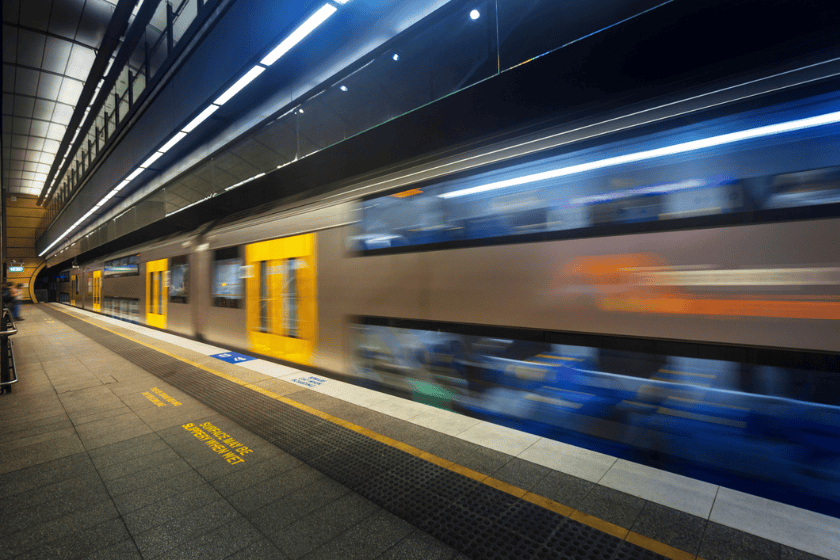
- Make the use of public transport cheaper and incentivise micromobility, walking and cycling
- Increase car sharing and adopt practices to reduce fuel use
- Promote efficient driving for freight trucks and delivery of goods
- Using high-speed and night trains instead of planes where possible
- Reinforce the adoption of electric and more efficient vehicles