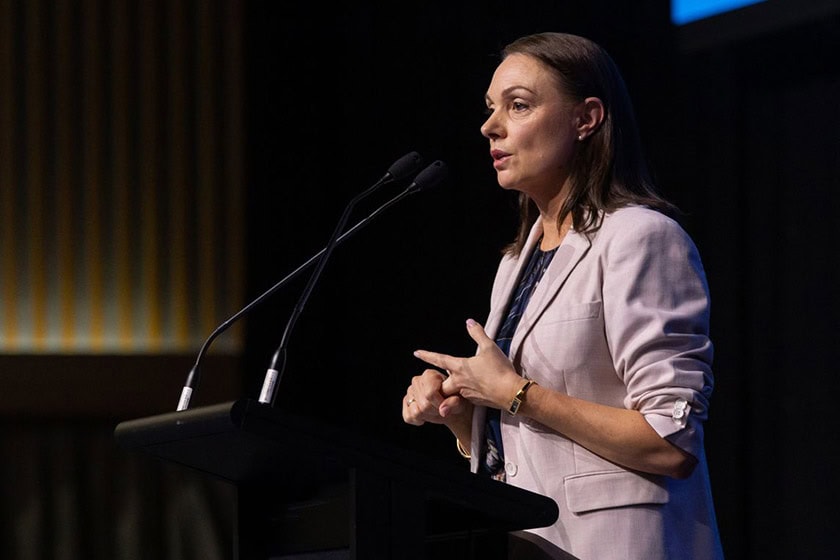
Scott Treatt, CTA, head of tax policy and advocacy at The Tax Institute, said tax changes cannot be confused with tax reform.
“Amendments to our tax laws to improve its integrity is a part of responsible system maintenance, but it is not reform,” he said.
“The International Monetary Fund talks of ‘rebalancing it [Australia’s tax system] from currently high direct to indirect taxes’. Tax reform requires a vision, a holistic view of how a series of changes will achieve long-term objectives, not two or three changes to achieve short-term goals.
“Our politicians can no longer turn a blind eye to fundamental reform of our tax system; it’s time to have a bi-partisan approach to reviewing our tax system in the best interests of every Australian rather than playing politics with our lives and our futures.”
Mr Treatt’s comments came after comments made by the IMF last week regarding the government’s ‘opportunities to make the tax system more efficient and equitable’.
The institute also noted that Treasurer Jim Chalmers said last week that government acknowledges the ‘need to make sure that we’ve got the tax system that can sustain the funding that we want to see in our areas of national priority’ and the fact that ‘if there are avenues for responsible tax reform into the future, like what we’re doing in multinationals, then obviously those opportunities and avenues should be explored’.
The IMF’s consultation and Mr Chalmers’ comments came amid rising interest rates and a cost-of-living crunch that throws the spotlight onto our economic stability. The tax system, its efficiency, and fairness, is an integral part of ensuring economic stability into the future.
“We are delighted to see that the IMF’s findings echo those made in our own Case for Change report in 2021,” Mr Treatt said.
“It not only reinforces the need for holistic and considered tax reform in Australia, but shows that tax experts are aligned in seeing a way forward to a better system.
“We are hopeful that the government will take the Federal Budget 2023–24 as an opportunity to look seriously at the tax reform options that have now been presented by a number of independent, expert sources. They have the opportunity to commit to undertaking a review to establish a vision and a roadmap towards real, meaningful reform.”
The IMF consultation stated in its appraisal: “Implementing comprehensive tax reforms and improving efficiency in expenditure programs will pave the road for a credible consolidation path over the medium-term. Sizable structural spending pressures limit the degree of consolidation and risk crowding out important spending priorities. Reviewing existing, large spending programs and improving expenditure efficiency will be important to underpin medium-term fiscal consolidation. At the same time, there are opportunities to make the tax system more efficient and equitable, rebalancing it from currently high direct to indirect taxes, and raise sufficient revenues to fund the government programs. The Commonwealth Government should direct windfall revenue gains to budget repair, with a view to creating additional fiscal buffers to address future shocks.”
“We have a responsibility to future generations to start the journey toward a more efficient and equitable tax system today. Not in the future when it seems to be an easier task, true tax reform is never easy. It needs to begin today,” Mr Treatt said.