The NAB’s quarterly Changing Workplace report, found almost one in 10 Australian workers (8 per cent) had changed jobs in the past quarter and one in three over the past two years. Rates of those considering a change were also higher, with almost a quarter of Aussies currently intending to leave their current jobs (24 per cent in Q4 versus 21 per cent in Q3).
The report also indicated that cost of living was impacting jobseekers.
With financial stress rising for many households due to the cost of living, salary showed up as the most important factor in finding a job, with seven out of 10 workers considering it a high priority. However, despite the focus on salaries, only around half of those who switched jobs over the past year were earning more in their new role.
Stability, flexible hours, and purposeful work were also a priority for many, with around one in two labelling them as factors of high importance.
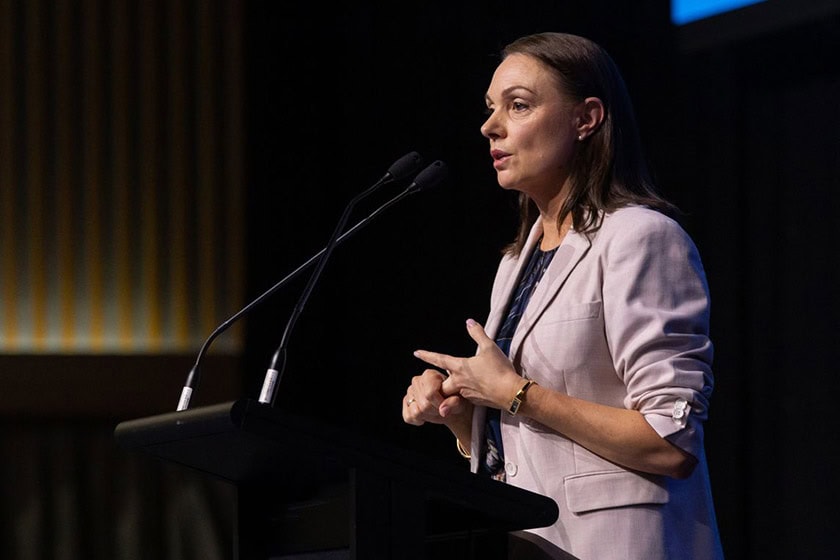
NAB group executive people and culture, Susan Ferrier, said employers looking to retain talent in these conditions had to be aware of the new challenges facing their workers.
“As we see the pressures of inflation hitting many Australians, I think employee wellbeing will need a very sharp focus. This is a workforce that has just lived through the many challenges of the pandemic,” Ms Ferrier said.
“Understandably salary is a big factor right now, but we also know through this research and a survey of 13,000 NAB employees, flexibility is high on the list. Australians are far more thoughtful about work/life balance since the pandemic and it plays a key role in their job satisfaction. A company’s willingness to accommodate employee preferences goes a long way in supporting their loyalty.
“People also need to feel good about the work they are doing, so ensuring employees understand the importance of the work they do is critical.”
The data also found that not only are men more likely to ask for a pay rise, they’re also more confident in getting one.
When asked if they intend to seek a pay rise over the next 12 months, 36 per cent of men said they would, compared to 25 per cent of women. In the year ahead, around 70 per cent of men expect to get a bigger pay packet, as against 60 per cent of women.
Ms Ferrier said while it was tempting to try and encourage women to be more confident in advocating for themselves, the key is to remove the biases that exist within workplaces.
“It’s not about trying to get women to ‘act more like men’. It is about addressing bias and ensuring that our workplaces reward women fairly for the contributions they make,” Ms Ferrier said.
When workers who expect a pay rise were asked to estimate by how much they thought their weekly income would rise, on average, it was extra $147 (around $7,650 annually). Men ($149) and women ($144) expect a broadly similar amount though women have revised up their expectations substantially (from $111 in Q3).