The report stated the IGTO has 381 dispute investigations on hand (still in progress) as of 30 June 2022 with the majority of complaints received (70 per cent) from self-represented individuals. The remaining complaints came from self-represented businesses (16 per cent), individuals represented by another party, for example, a tax practitioner, lawyer, family member or friend (8 per cent), and represented businesses (6 per cent).
The top five complaint issues in the financial year 2022 related to payments to the taxpayer (344 cases), lodgement and processing (215), debt collection (175), registration/taxpayer details (86), and communication issues (79).
The IGTO is an independent officer appointed by the Governor-General of the Commonwealth of Australia to lead an important free service to assist the Australian community with the tax system.
It seeks to improve taxation administration and help with complaints about the administrative actions of the Australian Taxation Office (ATO) and the Tax Practitioners Board (TPB). It is completely independent from the ATO and the TPB.
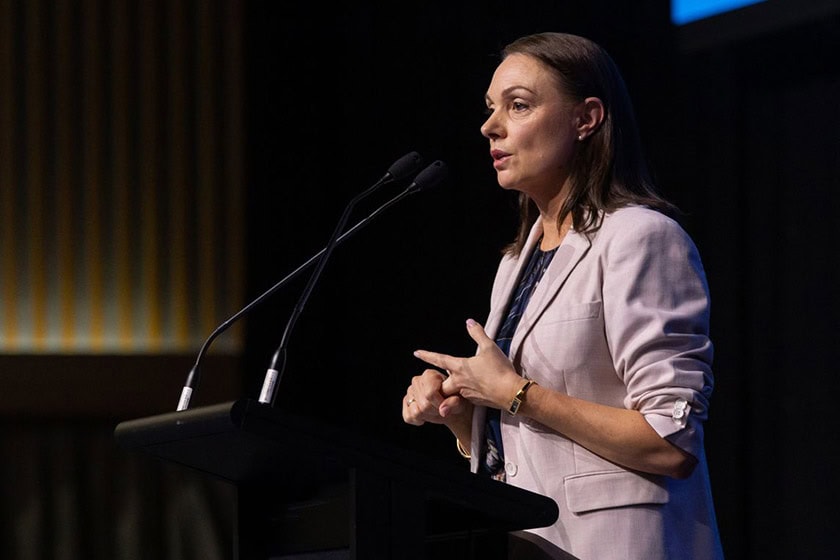
“The Australian community expects and benefits from a tax system that is administered fairly, equitably and transparently … since people are more willing to engage with the system where they trust in its integrity,” said ombudsman Karen Payne.
Ms Payne said the IGTO’s key priority over the past 12 months was to support taxpayers and the community during the transition out of the pandemic, especially those in financial difficulties with impending deadlines — such as JobKeeper disputes given the legislative deadlines for payments of 31 March 2022.2
“Our strategic priorities and key activities for FY23 and beyond are set out in our latest Corporate Plan FY23-26,” Ms Payne said.
Ms Payne said the feedback the IGTO received from its complaint surveys demonstrates similar levels of satisfaction compared to our FY21 result.
In FY22, 69 per cent of survey respondents reported overall satisfaction with the IGTO’s Dispute Investigation Service, 51 per cent reported overall satisfaction with the outcome of their result, and 86 per cent reported satisfaction with the professionalism of the IGTO staff.
Approximately 45 per cent of the more resource-intensive dispute investigations progressed during FY22 involved taxpayers expecting payments from the ATO.
“The significant representation of disputes involving ATO payments is a trend that has continued since the pandemic began,” Ms Payne said.
“The main reason is that the ATO had redirected resources away from audits and collecting debt so that it could deliver the Government’s priority economic support measures during this time.
“Indeed, disputes about JobKeeper, early access to super and Boosting cash flow (BCF) were the most prevalent type of payment dispute that the IGTO investigated in FY22.”
A further 18 per cent of the dispute investigations progressed during FY22 concerned the ATO’s processing of taxpayer lodgements, particularly taxpayer amendment requests.
“Within this group of disputes, the IGTO assisted military veterans who were seeking to amend income tax assessments to obtain substantial tax refunds following a Federal Court decision that changed the way their invalidity pensions were taxed,” Ms Payne said.
“The IGTO assisted military veterans with a range of issues, including the timeliness of the ATO’s amendment process and related ATO communications as well as uncertainty over the amounts withheld from their invalidity pensions moving forward.
“These investigations will have flow-on effects to other military veterans, who are not included in the IGTO’s complaint statistics.”
The IGTO also started three review investigations to investigate actions, systems and taxation laws regarding tax administration matters and to identify improvement opportunities.
These included the Australian Taxation Office’s administration and management of objections; the exercise of the commissioner’s general powers of administration; and the exercise of the commissioner’s remedial powers.
“We continued to engage regularly with stakeholders throughout FY22, despite the challenges posed by the COVID-19 pandemic,” Ms Payne said.
“This includes industry and professional presentations and webinars, attending tax discussion groups, and University and Tax Clinic presentations. We attended 62 such meetings including conferences and forums, stakeholder discussion groups, or workshops.”