The small business tax gap stood at 12.5 per cent, or $11.1 billion, in 2015-16, with over $7 billion being attributed to black economy behaviour, new figures released by the Australian Taxation Office (ATO) estimate.
The small business tax gap significantly tops that for large corporates, estimated at 4.4 per cent or $1.8 billion in 2015-16, the ATO revealed.
It, however, clarified that most of the errors are unintentional and can be easily fixed.
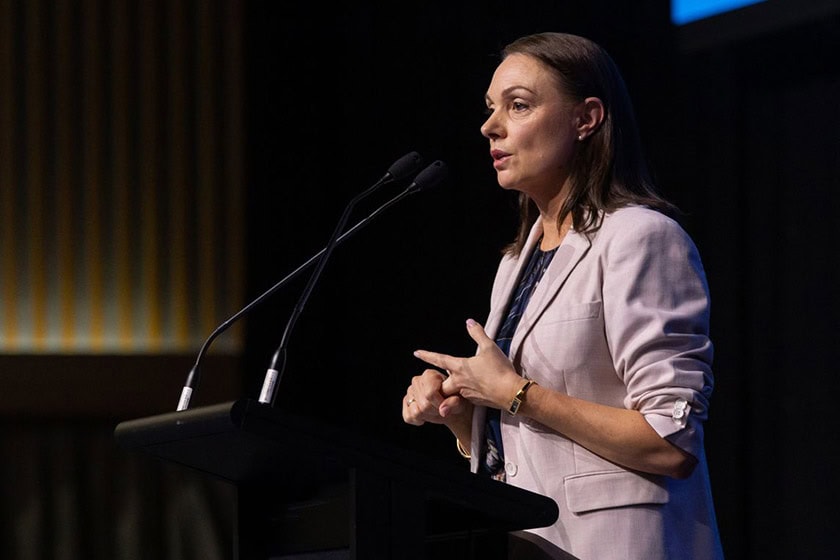
“Considering how much small businesses have on their plate, we’re grateful for the level of work they put in to get their tax right,” said deputy commissioner Deborah Jenkins.
“Our objective is to support these honest small businesses to better understand their obligations and to help them get it right the first time.”
According to the ATO, around 90 per cent of small businesses use a registered tax professional to help them comply with their income tax obligations.
“We recognise the important role that tax professionals have in helping small businesses get their tax right and we would not have been able to achieve this result without the support of our tax professionals,” Ms Jenkins said.
The ATO’s research shows a small percentage of businesses are deliberately avoiding their tax obligations, but by dollar value this adds up to a significant portion of the gap. This behaviour could be driven by a desire to avoid tax, limit impacts on welfare payments, or to avoid law enforcement.
“Hiding income, exaggerating expenses and operating outside the system are all considered to be black economy behaviours. Businesses doing the wrong thing are about to attract our full attention,” Ms Jenkins said.
She revealed that the ATO is implementing a number of initiatives to tackle the black economy. Changes include a ban on sales suppression software and a new tip off line where people can report suspected black economy behaviour to the Tax Office.
The ATO is also expanding its sophisticated data analytical tool that spots red flags indicating omitted income or other black economy conduct.
“We’ve stepped up our enforcement activities, including highly visible mobile strike teams. We visited close to 10,000 businesses around the country last year and we plan to visit another 30,000 over the next three years,” the ATO said.