The report revealed that 49 per cent of business leaders expect conditions to be stronger in 2023 than 2022. But this optimism is tempered by a number of supply-side concerns and 90 per cent of businesses expect to be affected by staffing shortages in 2023.
The skills shortages are felt most in the higher-skilled occupations but are evident across all skill levels, industries, and geographic locations.
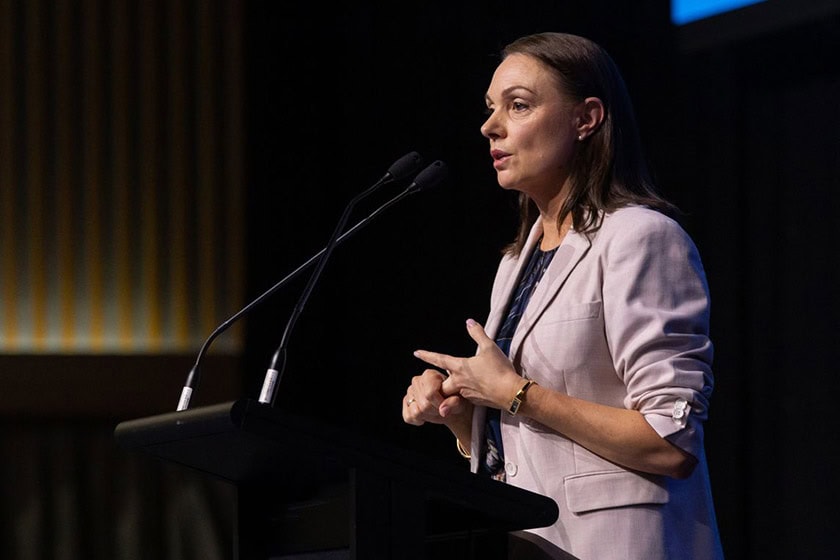
“Finding and developing more skilled people locally and through immigration remains a central workforce strategy. For example, 50 per cent of businesses said they would increase investment in staff training next year to deal with skills gaps,” Ai Group CEO, Innes Willox, said.
However, this year, more and more businesses will look to address persistent skills and labour shortages through operational change.
To manage labour supply risks, they plan to raise wages and benefits, increase staff numbers, and invest in in-house training. With unemployment forecast to remain very low throughout the year, workforce management strategies have squarely shifted from recruitment to retention and reskilling.
“Businesses are also expecting inflationary pressures of the past two years to continue, particularly for energy. Supply chain disruptions are expected to persist due to global challenges, despite easing of pandemic-era constraints,” Mr Willox said.
Supply chain issues currently impact 78 per cent of businesses and 88 per cent plan to invest to reduce their vulnerabilities in 2023. Nearly a quarter intend to change their product offerings in light of persistent supply chain disruptions.
“There are also emerging concerns around global economic headwinds, inflation and rising interest rates will see Australian economic growth slow in 2023,” Mr Willox said.
“Investment plans for 2023 are carefully calibrated to these expectations. Business will attempt to seize growth opportunities by investing in staff capability, technology and supply chain resilience.
“As we suggest in our report, these strategies and investment priorities are critical for Australia businesses to achieve the economic resilience needed for prosperity in a time of global economic uncertainty.
“Our survey demonstrates that it will clearly be another challenging year for many businesses and the need for a relentless focus on productivity across the broader policy agenda has become even more important.
“The Federal Government in particular needs to put productivity and flexibility at the forefront, especially when considering the further changes to workplace relations it plans to introduce later this year.
“We need to catch up on years of below-par productivity growth and we need to gear ourselves for at least a return to 1990s level growth.”