In fact, it is the strongest jobs growth in almost a year, even across industries like hospitality and agriculture, which have recently struggled to find talent.
The index fell 40 points in July to 111 points and now sits around the 2021 average. Big swings in the index over June and July reflected volatility in the time to be paid metric, as a result of the end of the financial year in June. July also saw sales growth slowing to 7.5 per cent year-on-year (y/y), a 4.1 per cent y/y rise in jobs and wage growth marginally higher, at 3.6 per cent y/y.
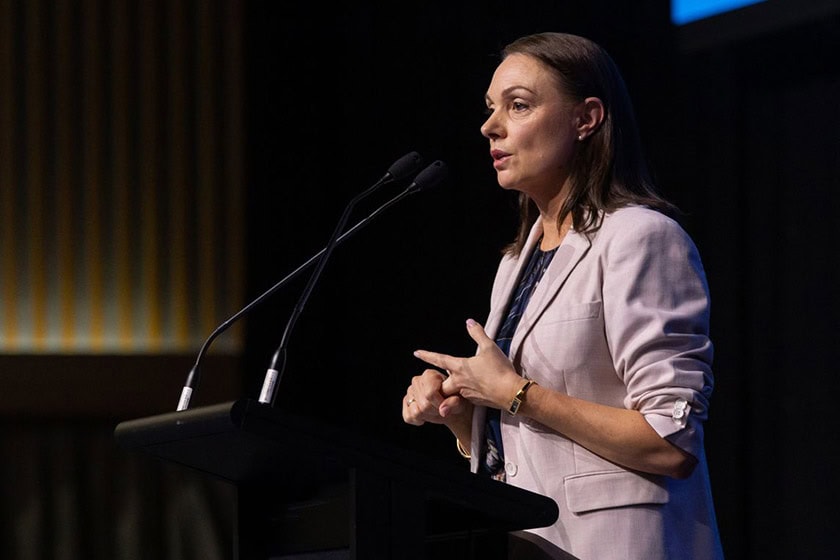
Joseph Lyons, managing director Australia and Asia, Xero, said small businesses remained resilient.
“While inflation is impacting small businesses globally, our data shows that Australian small businesses are faring slightly better compared to those in New Zealand and the United Kingdom in terms of sales,” he said.
“While this doesn’t mean it’s smooth sailing for local small businesses – as most can attest to – it’s promising to see an overall above-average result, especially for sectors that have been doing it tough.”
Jobs rose 4.1 per cent y/y in July – the largest rise since August 2021. This is above the long-term average of 3.0 per cent y/y for the Xero Small Business Index series, meaning jobs growth has now been positive for three consecutive months.
Looking at the states, July saw Tasmania record positive jobs growth (at 1.8 per cent y/y) for the first time in seven months while NSW led all states at 7.7 per cent y/y.
All industries reported positive jobs growth, including hospitality (+8.6 per cent y/y), which had recorded falls in jobs for the previous six months. Information media and telecommunications (0.8 per cent y/y) and agriculture (0.2 per cent y/y) reported the lowest figures, while arts and recreation led all industries at 11.1 per cent y/y, a significant result given a tough couple of years due to COVID-19 restrictions.
Wage growth did not rise significantly, despite minimum wage increase.
Despite the annual increases in minimum wage (5.2 per cent) and award wages (4.6 per cent) that came into effect on 1 July, the wage result suggests that there has not been a material impact on aggregate wage costs. Wages grew by 3.6 per cent y/y, up from 3.4 per cent y/y in June.
Across industries, healthcare continues to record the lowest wages growth, at 2.7 per cent y/y whereas information media and telecommunications was the leading industry in terms of wage growth, at 4.3 per cent y/y.
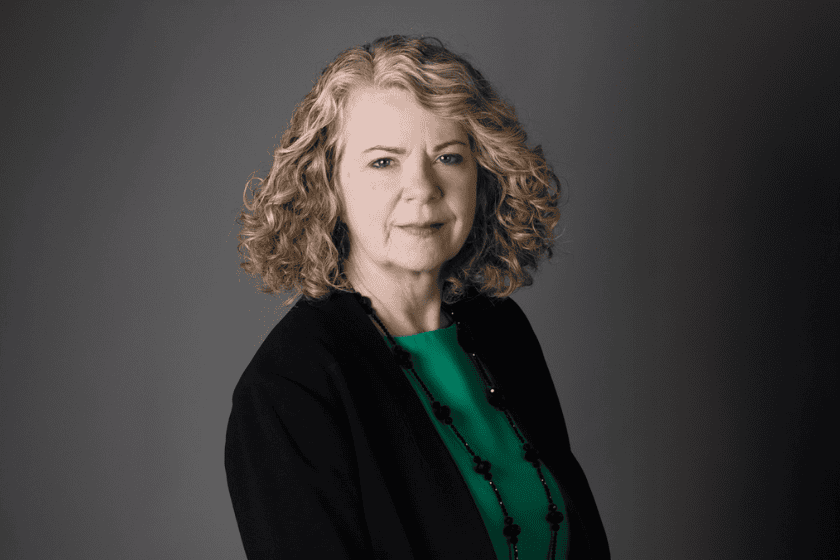
“July was the first month of the new financial year where the increase in minimum and award wages was in place and we didn’t see a significant effect. We will get more award wage information in October when the award wage rise comes into effect for the hospitality industry,” said Louise Southall, economist, Xero.
The main area of concern for July is the slowdown of sales growth, which slowed again to 7.5 per cent y/y, from 11.4 per cent y/y in June. Many Australians are facing cost-of-living pressures as prices rise faster than wages, causing a flow of effect when it comes to spending in small businesses across the country.
“When prices are taken into account, using the June quarter Consumer Price Index, it suggests that the volume of sales rose a smaller 1.4 per cent y/y (down from +5.3 per cent y/y in June). But this means small businesses still sold more goods and services in July 2022 than they did in July 2021,” said Ms Southall.
“This is different to the experience of small businesses in other countries like the United Kingdom and New Zealand, where sales, excluding price impacts, have actually declined for June and July.”
NSW (12.9 per cent y/y) and South Australia (10.7 per cent y/y) led all states with double-digit sales growth. Hospitality (+21.6 per cent y/y) and arts and recreation (+22.6 per cent y/y) were the leading industries in terms of sales in July, again another positive reflection that the arts and recreation sector is returning to full strength.
The average wait time for small businesses to be paid rose 2.7 days in July to 23.2 days. This follows a 3.0-day fall in June, which was largely due to the end of the financial year when this metric usually experiences a large improvement, hence the reversal is not unexpected.
There was a 1.6-day rise in late payments to 6.5 days after a record low of 4.9 days in June, which was also impacted by the end of the financial year.