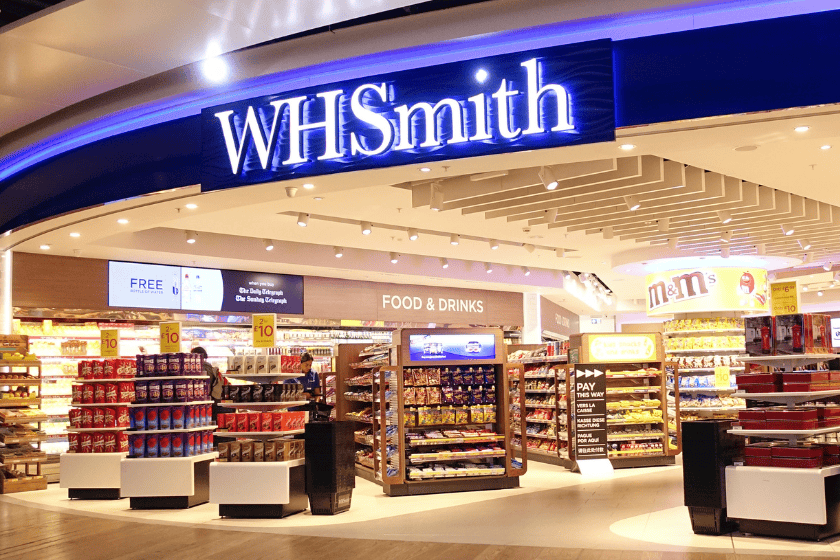
And it was department stores that led the charge up 4.4 per cent. Eating out also added to the increase with cafes and restaurants and takeaways also recording significant hikes.
It was the fourth consecutive rise in quarterly retail volumes but the smallest since COVID-19 lockdowns ended in October 2021.
Ben Dorber, ABS head of retail statistics, said sales volumes reached a new record level in the September quarter 2022, but growth slowed to just 0.2 per cent following 1.0 per cent quarterly rises in the June and March quarters.
“While volumes growth eased, retail prices climbed a further 2.0 per cent in the September quarter 2022, reflecting the strong rise seen in last week’s Consumer Price Index,” Mr Dorber said.
Department stores had the largest volume rise, up 4.4 per cent, followed by cafes, restaurants and takeaway food services (3.3 per cent) and clothing, footwear and personal accessory retailing (3.2 per cent).
“These industries have been the top three in terms of volumes growth in each of the past four quarters, mostly driven by post-lockdown demand,” Mr Dorber said.
Not many people are investing in household goods with that index recording the largest quarterly volume fall, down 1.8 per cent in September after a 1.9 per cent fall in June. Food retailing was down 0.6 per cent in September — the industry’s fourth consecutive quarterly fall in volumes, while other retailing also fell 0.5 per cent. These industries had previously recorded high sales volumes during the pandemic.
“The rise in September quarter sales volumes was again driven by those industries most negatively affected by COVID-19 lockdowns last year, where post-lockdown spending remained robust,” Mr Dorber said.
“In contrast, industries that performed better during the pandemic all fell in the September quarter, as sales volumes slowly return to more normal levels.”
Most states and territories saw rises in the September quarter. The ACT had the largest rise, up 1.7 per cent in volume terms, followed by NSW (0.6 per cent), Victoria (0.6 per cent), South Australia (0.3 per cent), the Northern Territory (0.3 per cent) and Western Australia (0.1 per cent).
Queensland had the largest fall, down 0.8 per cent, while Tasmania fell 0.3 per cent.