The Australian Retailers Association (ARA) released five strategic priorities the retail community would like to see addressed by whichever party forms government next month. These include labour and skills shortages, small-business recovery, supply chain resilience, sustainable businesses, and inclusive and equitable workplaces.
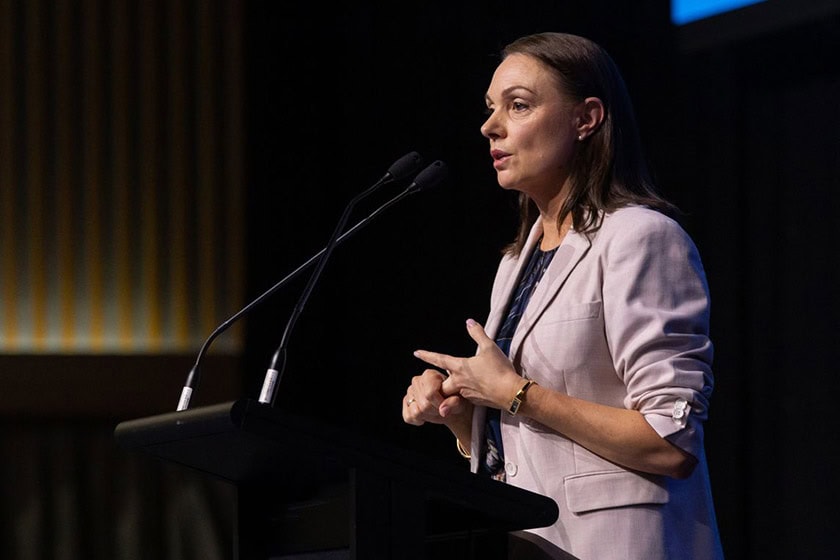
“From the conflict in Europe to supply chain and chronic labour and skills pressures, rising inflation and unprecedented climate events such as the local flooding – the outcome of this year’s election will set the national agenda for decades to come,” said ARA chief executive Paul Zahra.
“We’ve turned a corner on Covid, but it’s left an abundance of business challenges in its wake including our biggest ever disruptor – climate change. The business community needs evidence that all parties are approaching these challenges with a long-term, strategic mindset.”
Mr Zahra said while Australia’s economy is tracking well with low unemployment and strengthening retail sales, deep concerns remain around our longer-term social and economic resilience.
“Businesses are dealing with some unprecedented challenges. Costs are increasing due to inflationary pressures, while staff shortages and supply chain delays are continuing to bite. Business disruption remains an ongoing concern for companies large and small with conflict abroad creating a ripple of cost pressures for retailers and their customers,” Mr Zahra said.
“We will continue to deal with these issues for months, if not years, and it is important our political leaders are focused on the long-term challenges that threaten our economic prosperity, as much as the short-term constraints.
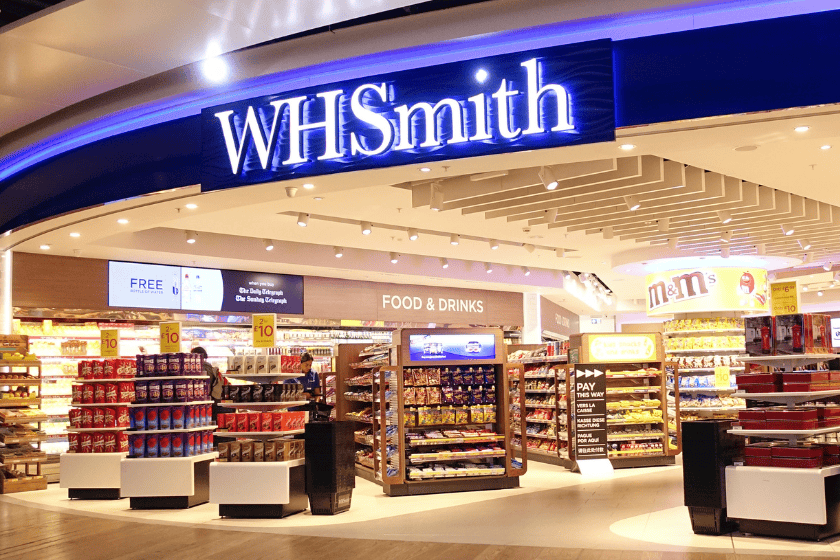
“Small businesses feel these impacts more given they do not have the same level of resources or cash reserves to cope with the uncertain economic environment. Whilst retail overall is performing well, recovery remains elusive for some including CBD retailers, travel retail, hair and beauty, hospitality and small businesses who require a level of ongoing targeted support.
“You cannot have an economic recovery without a retail recovery and the ARA’s five strategic priorities require attention from both major parties as part of their election platforms.
“Regardless of which party forms government next month, we’ll continue to advocate for the interests of our retail members on the issues that are important to them.”
The retail sector remains acutely impacted by a shortage of frontline workers who predated the pandemic. Increasing the pool of candidates for retailers could be achieved by a number of initiatives including retaining recent changes allowing international student visa holders to work up to 40 hours per week, and allowing working holiday visa holders to spend more of their time in Australia working for the same employer.
The ARA is also calling for the opening of borders temporarily to bring the qualified trades into the country that are needed to get disaster-affected communities and supply chains back on their feet sooner, and for meaningful employment opportunities to be provided for marginalised communities including older Australians, Indigenous people, people living with a disability and recently arrived migrants.
In addition to these labour shortages, retail growth is also being curtailed by a skills shortage exacerbated by border closures and the suspension of mutual obligations over the past two years. It said the shortage of skilled labour can be addressed by expanding programs that provide access to vocational training and career pathways to jobseekers outside the current cohort of young people aged 18-24, and to include existing workers, so these employees can upskill and progress their career without having to find a new employer or move out of the sector.
It also wants the future government to expand the Temporary Skills Shortage visa program to include hard-to-fill roles particularly in digital, strengthened by a pathway to permanent residency for roles where employers bring global talent into Australia to drive productivity and innovation.
In regard to small-business recovery, the ARA said the uneven impact of lockdowns and continued volatility in consumer spending have created significant challenges for several at-risk categories such as CBDs, travel retail, hair and beauty, and hospitality.
The ARA is concerned about the viability of small businesses that have been disproportionately affected by the pandemic and natural disasters.
In its submission the ARA said retail resilience could be supported by extending the SME Recovery Loan Scheme to help smaller retailers absorb higher costs, minimise cash-flow impacts of higher inventory levels and amortise the repayment of debts to the Australian Tax Office and landlords over a longer time frame.
It has also noted resilience could be enhanced by building on the collaboration between government and industry to help address short-term supply chain challenges and minimise the impact of higher supply chain costs driving inflation, as well as accelerating digital transformation to address the digital gap between large and small businesses, provide equal access across the digital economy and protect our sector from cyber-security risks.
The challenges impacting the retail supply chain are predicted to prevail for another 12-18 months. The ARA said it welcomes collaboration between government and industry in addressing some of these challenges, however it believes supply chain resilience can be enhanced by a number of initiatives including continuing to address land-side bottlenecks and reduce red tape at Australia’s ports and expanding support to increase local manufacturing capability where vulnerabilities exist along critical supply chains like food and healthcare.
In addition, it recommends increasing supply chain traceability and transparency to manage risks, address key societal challenges for our sector like modern slavery and incentivise innovation along the supply chain.
Stepping up our efforts to establish a more sustainable sector is critical to retail success. The ARA has launched its Net-Zero Roadmap for the Australian retail sector and sees a number of opportunities to accelerate our transition to the low-carbon, circular economy of the future.
These include accelerating the transition to net-zero emissions by incentivising investment in the adoption of proven technologies that reduce costs, consumption and emissions and building capability of our sector by increasing awareness and providing educational resources to accelerate the transition to net-zero, particularly for small- to medium-sized business.
Diversity, equality and inclusion is a core priority for retailers, a sector that employs one in 10 Australians.
The ARA’s key focus is on gender equality, and it is advocating more cost-effective access to childcare for working families, meaningful and flexible return-to-work options for parents returning to the workforce and improved financial independence of women through their working life and in retirement.