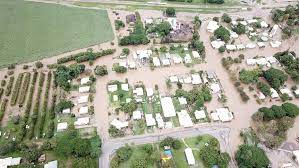
“Our insurance is ridiculous considering we have never had flood or cyclone damage at our place, even when cyclones have hit”, says an IPA member based in Speewah, Queensland, 17km north-west of Cairns.
As a result of price hikes, under-insurance and non-insurance in cyclone prone areas are on the rise.
|
ACCC – average home and contents premium, 2018-19 |
|
|
Northern Australia |
$2,500 |
|
Rest of Australia |
$1,400 |
|
ACCC – estimated rates of underinsurance, 2016 census data |
|
|
Northern Australia |
20 per cent |
|
Rest of Australia |
11 per cent |
(Sources: explanatory memorandum, p. 30-31)
Responding to community concerns, Treasury has tabled the Treasury Laws Amendment (Cyclone and Flood Damage Reinsurance Pool) Bill 2022. Reinsurance is described in the explanatory memorandum as “insurance for insurers…purchased by insurers to manage their exposure to large losses resulting from insurance claims made in response to such a major event”.
The explanatory memorandum goes on to explain that the pool is, therefore, “funded by the insurance premiums paid by insurers” and backed “by a $10 billion annually reinstated Commonwealth Guarantee” in the case of a 1 in 100-year cyclone event.
In the second reading back on 9 February 2022, The Hon Michael Sukkar, Assistant Treasurer, Minister for Housing and Minister for Homelessness, Social and Community Housing, asserted that the “bill will deliver on the government’s commitment to improve the accessibility and affordability of insurance for households and small businesses in cyclone-prone areas”.
The related damage period has been defined as “48 hours after a cyclone formally ends”, as declared by the Bureau of Meteorology.
Small Business and Family Enterprise Ombudsman, The Hon Bruce Billson, suggests that the related damage period should be extended beyond 48 hours, as cyclone-related damages are known to “occur several days after a cyclone is declared to have ended”. This seems a valid point, as any persistent floods and storms following the 48-hour cut-off have the capacity to attack structural vulnerabilities caused by the cyclone.
The Insurance Council of Australia accepts the reinsurance pool as “one part of a solution” towards affordable premiums, calling for a “multi-faceted policy response” that considers future development and planning, mitigation strategies, and a focus on the resilience of existing properties.
Following the Public Hearing that was held on March 8, the Senate Economics Legislation Committee report is due March 24, and the Bill is expected to come into effect in July 2022.