On Tuesday, the Reserve Bank of Australia lifted the cash rate from a record low 0.1 per cent to 0.35 per cent – the first rise in more than a decade.
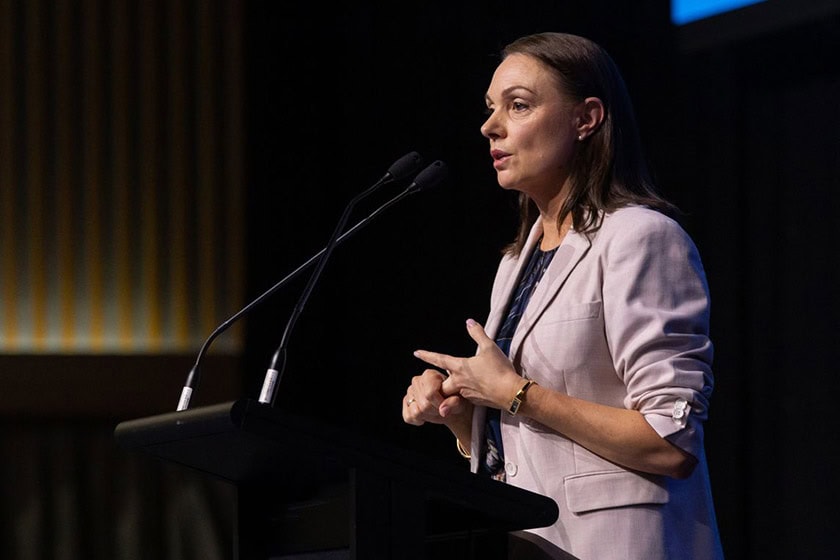
“[The rise in the cash rate] has been covered by commentators for a while now, including the implications around mortgage distress, property prices and has been anticipated for a while,” said IPA group executive advocacy and policy, Vicki Stylianou.
“Now that we know how much and that this is likely to be the first of many, members need to be prepared to advise clients and employers on the appropriate planning that it entails. Since many small businesses use their primary residence as security for their business capital, they need to ensure they can meet increased repayments, adjust cash flow, protect assets and plan for future increases.”
RBA governor Philip Lowe said on Tuesday that the board judged that now was the right time to begin withdrawing some of the extraordinary monetary support that was put in place to help the Australian economy during the pandemic.
“The economy has proven to be resilient and inflation has picked up more quickly, and to a higher level, than was expected. There is also evidence that wages growth is picking up. Given this, and the very low level of interest rates, it is appropriate to start the process of normalising monetary conditions,” he said.
The board dumped its previous position that wages would be a key piece of data in any rate decision and heeded warnings that suggested a longer wait would severely endanger the Australian economy.
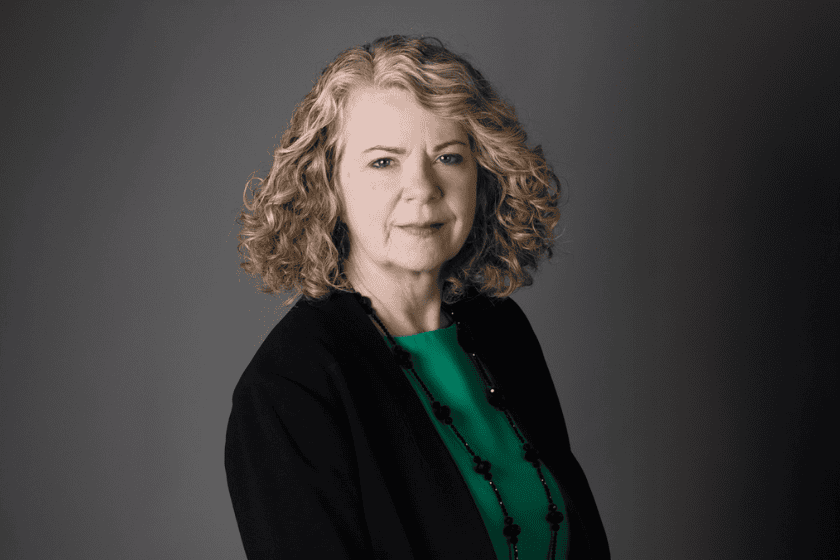
Anneke Thompson, chief economist at CreditorWatch, said the RBA will now be keenly waiting on Wage Price Index data from the Australian Bureau of Statistics and average earnings in the national accounts to decide on their next move.
“It is likely the board will maintain its position that this data will be a key informant in regards to the velocity of future rate rises,” Ms Thompson said.
“Even if upcoming wage data shows an increase on the current pace of growth of 2.3 per cent, it is a near impossibility that it will be anywhere near the latest inflation figure of 5.1 per cent. This means that the data is almost certain to show that real incomes are going backwards.
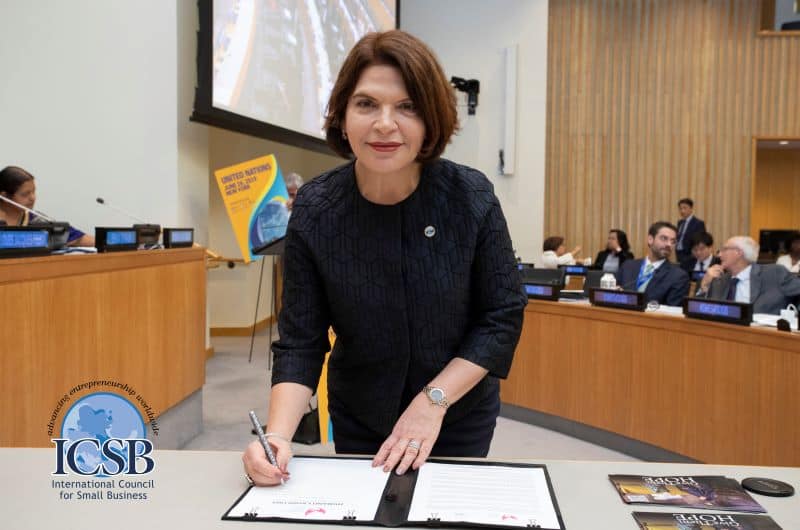
Australian Industry Group chief executive Innes Willox said the majority of businesses would not be surprised by the rise and higher rates will have been factored into their borrowing and investment decisions.
However, the added cost pressures will also carry further risk that demand will slow and inflation expectations will rise.
Mr Willox said the rise was a “significant step in the normalisation of monetary policy including the movement of interest rates away from the setting put in place to maintain the health of the economy during the COVID-19 pandemic”.
“The RBA foreshadowed further rate rises in the period ahead and care will need to be taken to ensure rate rises do not go too far and slow the economy too much. While the RBA anticipates that inflation will return to the target band, this will depend to a significant extent on the degree to which wage rises entrench further inflationary pressures,” he said.
“Some sustainable adjustments in wages are clearly warranted especially where productivity trade-offs can be achieved. However, for many businesses excessive wage adjustments would add to the risk of significantly slower growth in domestic activity at a time when they are still recovering the ground lost during two plus years of COVID-related disruptions.
“Australia is benefiting from a very healthy labour market with low unemployment and a rapid rise in full-time employment – particularly for women. These factors are clearly helping household budgets in the face of current price pressures, and we should be wary of pushing up inflation and bringing the progress that is being made in these areas to a premature end.”
Australian Chamber of Commerce and Industry chief executive Andrew McKellar said the decision to lift the cash rate reflects the interrelated challenges of rising inflation, supply chain bottlenecks, and acute labour shortages faced by businesses across the country.
“The Reserve Bank’s decision to raise the cash rate for the first time in more than a decade is not only indicative of the building inflationary pressures on cost of living, but also reminds us that the cost of doing business is also increasing,” he said.
“Having survived the pandemic, small business owners are now confronted with rising input and labour costs, forcing businesses to raise prices or absorb higher costs within already thin margins.
“Congested supply chains, exacerbated by the conflict in Europe and lockdowns in China, are continuing to drive up the cost of everything from washing machines to microchips, with small businesses bearing the brunt of these disruptions.”
And with an expected decline of unemployment to around 3.5 per cent by next year, Mr McKellar said the decision will stretch an already tight labour market.
“According to recently released ABS data, 57 per cent of all businesses have had the cost of doing business increase more than usual in the last three months. As such, the overriding priority for the next federal government is to pull all the levers it can to address the supply side constraints that are driving up inflation and holding back the economy,” he said.
“Until we see some of those external supply chain problems ease, until we get more workers coming back into the labour force, and until adjustments are made to monetary policy, inflationary pressures are likely to remain for some time.”