Currently, businesses with 20 or more employees must be compliant with the government’s STP, while those with 19 or less employees will need to be compliant from 1 July 2019.
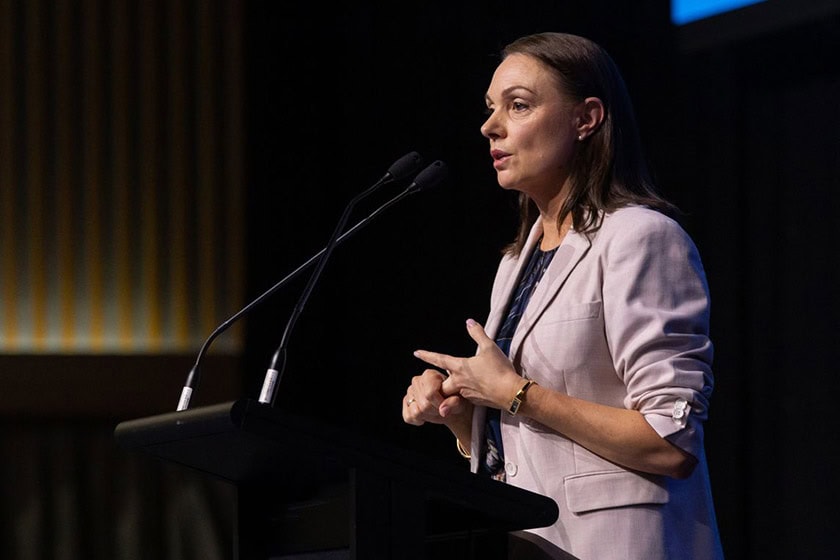
Speaking to the parliamentary house inquiry into impediments to business investment, ASBFEO Kate Carnell said STP legislation in its current form would mean somebody who employed a nanny at home, because they’re an employee, would need to be STP-compliant by 1 July 2019.
“In meetings that I’ve had with small business people, I have asked them, ‘How many of you have got a payroll system?’, because you need a payroll system to run [STP]. And you know, half of them will often say no, even ones that have got small business software haven’t got the payroll module,” Ms Carnell told the inquiry.
“[Some businesses] only got three employees, and it’s pretty simple to use the grey book you buy from the newsagent or a spreadsheet or Excel. They don’t perceive they need one yet, but for Single Touch Payroll in its current form, they will need one.
“You’ve got to ask the question, ‘Is that reasonable?’. We just put that on the table that I think that problem needs to be addressed.”
Further, in the ASBFEO submission to the inquiry, Ms Carnell said further innovation aimed at making it easier for small businesses to work with the government must be implemented, with co-funding and education arrangements to support them.
“The prescribed reporting tool is not compatible with common operating systems requiring small business to invest time and money to comply,” she said.
“Small businesses do not have separate payroll and IT departments. It is the owner that will have to learn the new system, how it will work with their accounting package and if it can be linked to their bank account for ease of payments.”