In its latest report, Crunch: Cash flow challenges facing small businesses, Part II, Xero looked at the way in which late payments affect cash flow of more than 200,000 businesses across Australia, New Zealand and the UK.
By analysing the outflow and inflow data of these businesses it found that 48 percent of invoices issued by Aussie small businesses in 2021 were paid late, with 10 per cent paid more than a month after they were due.
On average, small businesses in Australia are paid 6.4 days late, costing small businesses $1.1 billion per year due to payment delays.
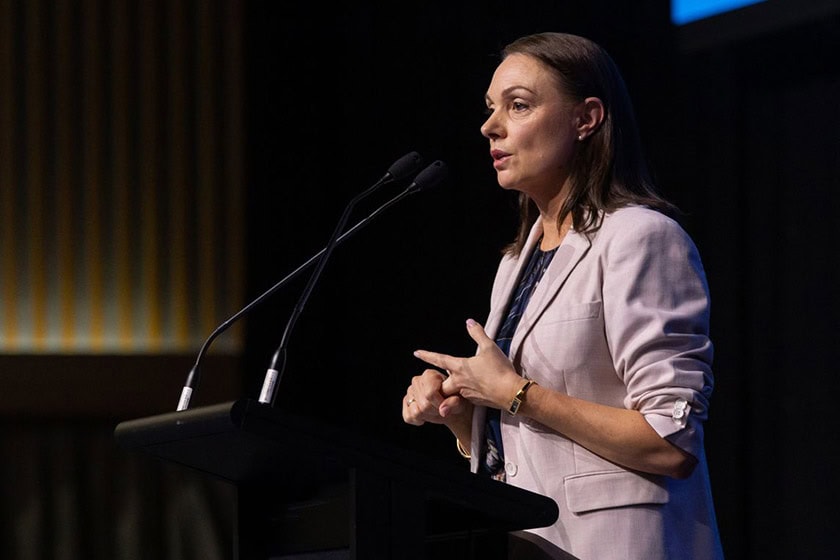
Rachael Powell, chief customer officer, Xero, said late payments create a flow-on effect for small businesses, creating unnecessary accounting complications and threaten owners’ ability to meet their own obligations — such as rent or wages — in time.
“While increases in expense costs and seasonal fluctuations in demand are often beyond our control, small businesses and national economies alike can send a clear message that late payments aren’t acceptable, and come together to develop policies and penalties for those who refuse to take the hint,” she said.
The report found that small businesses that received the majority (60–80 per cent) of their payments late experienced 17 per cent more cash flow crunches (where cash outflows exceed inflows) compared with small businesses that were generally paid on time.
While utilities costs remained relatively stable in 2021, Aussie small businesses have faced sharp increases in rental costs and payroll expenses, which rose 9 per cent year-on-year (y/y) and 13 per cent y/y respectively in the last quarter of 2021.
The average Australian small business tends to experience a revenue speed bump in January and February, receiving nearly 20 per cent less revenue in each of these months than the other 10 months of the year.
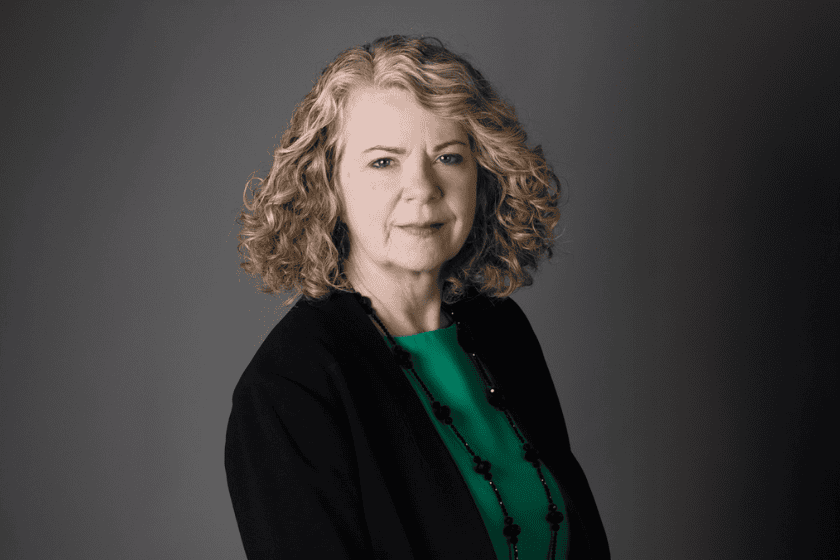
Joseph Lyons, managing director, APAC, Xero, said small businesses are facing rising expenses — amid a sharp uptick in rent, energy, fuel and payroll costs that started last year.
“These pressures are unlikely to subside anytime soon, making cash flow stress one of the big issues for small businesses in the coming months,” he said.
“In this climate, it’s more important than ever that we take serious action in cracking down on avoidable late payments and equipping small businesses to build cash reserves for those leaner months.”
To minimise and counteract cash flow crunches, the report made several recommendations, including small businesses consider adopting online invoice payment options for faster payment; or work with their accountant or bookkeeper to stay on top of government programs that offer payment plans to assist relief for rising costs of small businesses to smooth out expenses.
“If small businesses and their accounting partners and governments can actively look out for these red flags in their financial data, they’ll find it easier to work together on ways to anticipate cash flow crunches and avoid them with better planning and more timely action,” said Ms Powell.