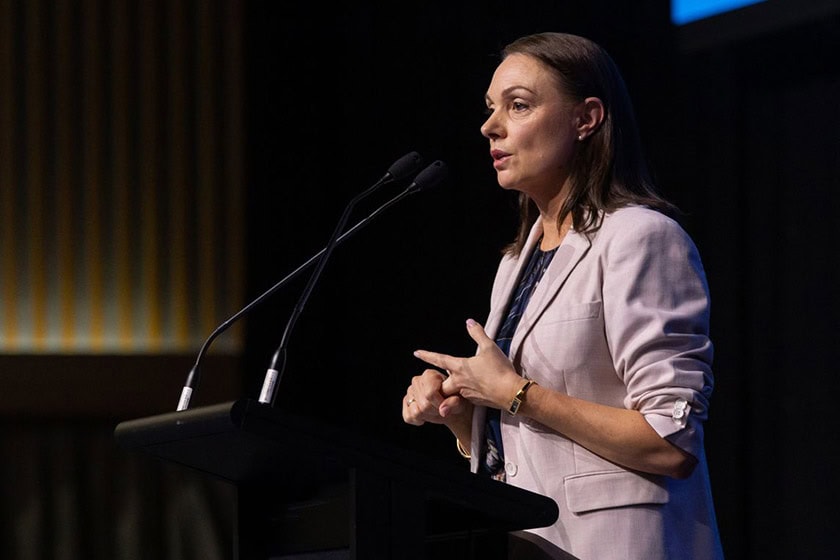
Tony Greco, general manager, technical policy for the IPA said Australia’s superannuation system does not need more complexity so this new threshold that will not be indexed will add more layers for practitioners to navigate.
“Is this the way to navigate tax reform?” Mr Greco said.
“Go for the highest return relative to the lowest number of people impacted.”
It is straight out of the infamous playbook of XIV’S finance minister, Jean-Baptiste Colbert — ‘The art of taxation consists in so plucking the goose as to obtain the largest possible amount of feathers with the smallest possible amount of hissing’.”
Mr Greco said superannuation members who are directly impacted and have based their decision on the rules of the day will draw little comfort from the government’s rhetoric that the new tax ‘is not retrospective’.
“Moving the goalpost makes this announcement retrospective,” Mr Greco said.
“The younger generation will be watching, and thinking about what the future government will do with their balance, which isn’t something that promotes certainty.
“For those with short memories, it wasn’t that long ago that we were encouraged to add to our superannuation balances.
“From 10 May to 30 June 2007, individuals were encouraged by the government of the day to take advantage of a one-time opportunity to pour $1 million into their superannuation funds before limits were imposed.
“Are we being haunted by the Ghost of Christmas Past?
“Australians made financial plans based on advice from a previous past Treasurer (Peter Costello) which encouraged people to do one thing, only to be penalised for it later when a new government decides to change policy direction and declares that they have too much money in superannuation?”
Currently, earnings from superannuation in the accumulation phase are taxed at a concessional rate of up to 15 per cent. This will continue for all superannuation accounts with balances below $3 million.
From 2025–26, the concessional tax rate applied to future earnings for balances above $3 million will be 30 per cent.
The government said the changes will only affect about 0.5 per cent of Australians or around 80,000 people.
“Since coming to government, we’ve been upfront about the challenges facing the economy and the budget. We inherited a trillion dollars of debt as well as growing spending pressures in defence, health, aged care and the NDIS,” Treasurer Jim Chalmers said.
“These challenges mean we need to make responsible budget choices to ensure generous superannuation tax breaks are better targeted and sustainable.”
Those affected by the change will continue to benefit from more generous tax breaks on earnings from the $3 million below the threshold.
“This adjustment does not impose a limit on the size of superannuation account balances in the accumulation phase. And it applies to future earnings — it is not retrospective,” Mr Chalmers said.
This adjustment to tax breaks for the biggest accounts is expected to generate revenue of about $2 billion in its first full year of revenue after the election.
The 2022–23 Tax Expenditures and Insights Statement showed that the revenue foregone from superannuation tax concessions amounts to about $50 billion a year. The cost of these concessions is projected to exceed the cost of the age pension by 2050.
The government will introduce enabling legislation to implement this adjustment as soon as practicable. Further consultation will be undertaken with the superannuation industry and other relevant stakeholders to settle the implementation of the measure.