There was a slight rise in the index this month of 0.8 per cent that highlights that despite high inflation pressures and rate hikes, the Australian economy is still moving.
A strong rise in motor vehicles spending by 13.3 per cent this month indicated some easing in international supply chain constraints that have been dominating the sector, with ordered vehicles being delivered in greater numbers.
Health and fitness spending rose 7.2 per cent this month and 4.6 per cent compared to August 2021, focused on spending for medical services, doctors and hospitals, due in part to an increase in non-essential operations that have been delayed during COVID.
In contrast, there was a weakness in discretionary spending in sectors like travel, entertainment, transport and retail. Travel dropped 3.9 per cent in August, but is 141.2 per cent higher compared to August 2021 when COVID restrictions were widespread across much of eastern Australia. Entertainment spending similarly declined by 7.2 per cent following gains in July when movie theatres, restaurants and spending on food were all higher.
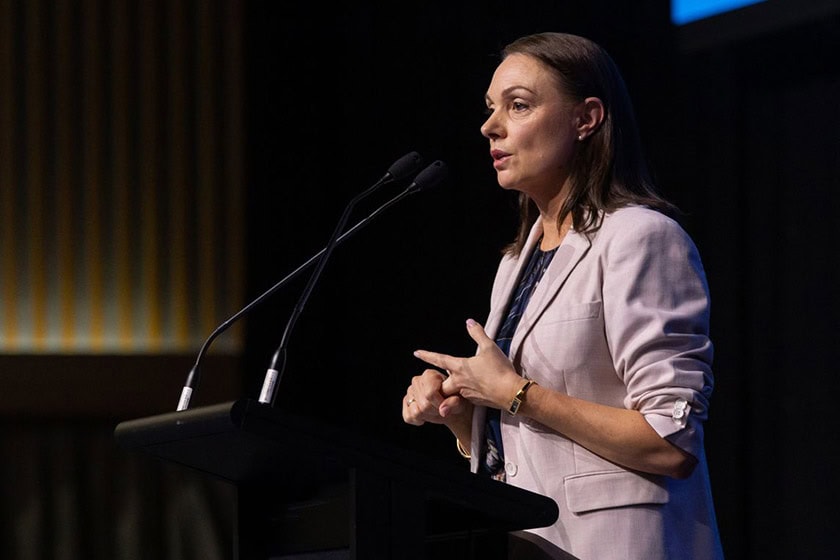
CommBank chief economist Stephen Halmarick said that interest rate increases and inflationary pressures are beginning to take effect on household spending.
“The HSI’s annual rate has now increased 15.1 per cent, reflecting the weakness in August last year during the ‘Delta lockdowns,’ when Covid-related restrictions were in place across New South Wales and Victoria,” Mr Halmarick said.
“While the index rose in August, we’re seeing weakness in discretionary spending following recent interest rate increases and a growing move to value purchasing. For instance while grocery spending remains high, we’re hearing customers are swapping to value products in response to higher food prices.
“Spending for household services has also risen 4 per cent in August, with charitable donations leading the category, likely signalling a stressful environment for many in the community.”