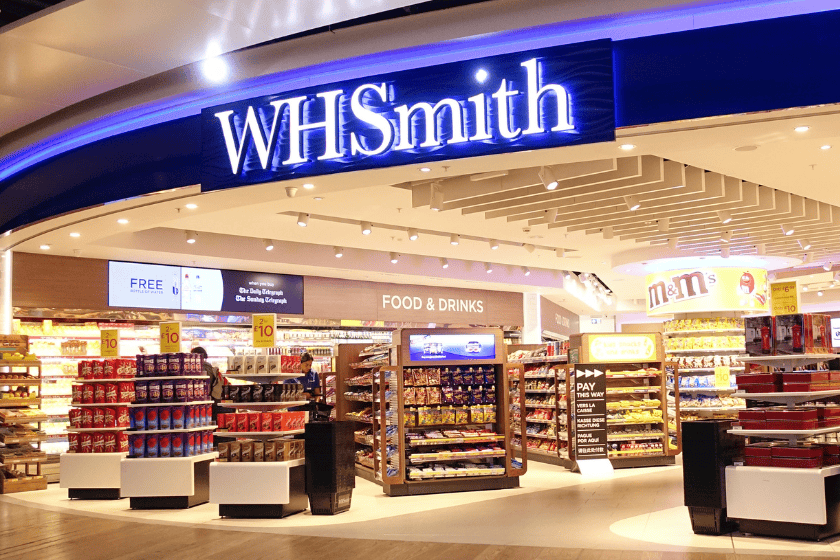
In fact, retail sales across the board were up despite rising omicron cases in early January and impacts to staff and supply chains.
Retail sales across the country increased 4.9 per cent in January compared to the same time the previous year and are up 14.4 per cent on pre-pandemic levels two years ago. Clothing sales increased by 8.5 per cent but most shoppers were still avoiding department stores that recorded a decrease of 2.7 per cent – the eighth consecutive month of negative growth.
Victoria had the biggest jump of all states and territories up 8.3 per cent from last January.
Australian Retailers Association chief executive Paul Zahra said omicron failed to dampen retail sales despite initial concerns about foot traffic and staff constraints in the early part of January.
“January was an up and down month for retailers – we began the year with a surge in Omicron cases, which impacted local supply chains and forced tens of thousands of workers into isolation each day,” he said.
“However, towards the end of the month, we saw daily caseloads start to come down, close contact isolation requirements were eased for essential workers and consumer spending started to lift. Overall, we’ve had a soft landing from Omicron and the impacts on sales have not been as severe as we originally feared.
“However, it remains an uneven recovery depending on what type of business you have and where you’re located and cashflow concerns remain a challenge for many retailers coupled with rising supply chain costs.
“CBD retailers are a focus on our path to recovery with foot traffic through our capital cities still quite low with the absence of international tourists and exacerbated by people continuing to work from home. We are looking forward to the international border reopening, which is the first step towards the revitalisation of our city centres.”
Mr Zahra said staff shortages will continue to compound recovery challenges but the ARA will continue to engage state and federal governments on solutions to this crisis.
“Supply chain issues are also continuing to bite, with many businesses having to make earlier upfront payments for stock due to manufacturing and shipping delays, with container costs significantly higher than their usual rates,” he said.
“Retailers have been resilient throughout the pandemic and will be breathing a sigh of relief that the worst of Omicron appears to have passed, and that consumer spending has remained fairly upbeat through this challenging period.”