According to the latest Mastercard SpendingPulse™, which measures in-store and online retail sales across all forms of payment, Australian retail sales increased 6.3 per cent in January compared to the same time last year.
Most retail categories maintained reasonable momentum after a record holiday spend. Lodging recorded the biggest increase in trade in January, up 15.9 per cent compared to 12 months prior, closely followed by apparel (up 14.4 per cent).
In the grocery sector, supermarket chain Coles on Tuesday (21 February) reported total sales revenue of $20.8 billion ($14.31 billion) from its continuing operations in the first half (H1) of fiscal 2023 (FY23).
Restaurants (up 8.8 per cent), jewellery (up 8.4 per cent), and grocery (up 6.3 per cent) also recorded solid growth.
Electronics (down 3.2 per cent) and home furnishings (up 0.9 per cent) slowed after strong growth during the pandemic and have been the first categories to soften in retail spending.
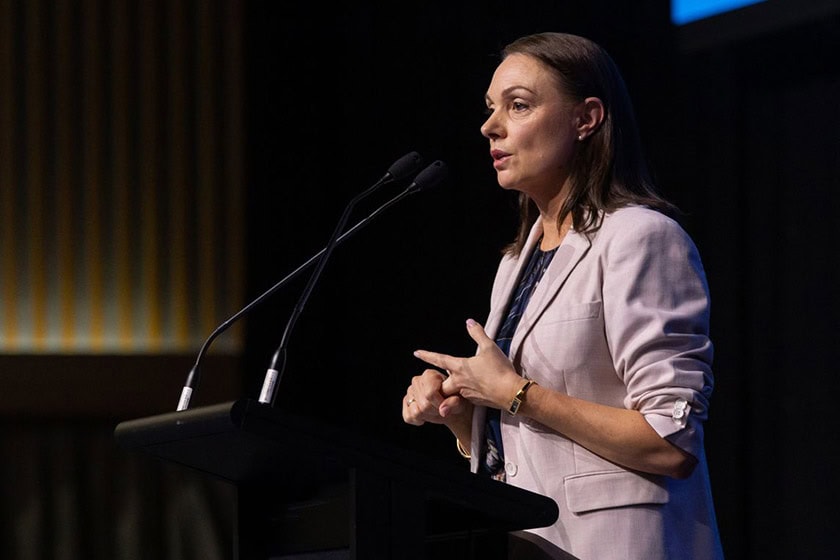
Australian Retailers Association chief executive Paul Zahra said the results while positive overall, also reflect the growing impact of price inflation in some categories (grocery) and a slowing down of high spending in some COVID-19-impacted categories (home) in previous years.
“These are solid results in a challenging economic environment where we are seeing consumers becoming more value orientated, taking advantage of the Boxing Day sales,” he said.
“We also saw many Australians celebrating their freedom over the holidays ahead of the cost-of-living pressures biting.
“We’re aware that it is becoming a challenging environment for businesses, particularly small businesses on tighter margins, as they continue to battle rising operating costs associated with increasing cost of debt, fuel, energy, labour, supply chains and rent.
“Further interest rate hikes will have repercussions for both consumers and the retail industry.”