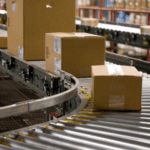
Speaking on Sky News on Tuesday (3 January) amid the controversy of COVID-19 testing all new arrivals from China from midnight on Thursday (5 January), against the recommendations of the Chief Health Officer, Mr Chalmers said what is of more concern to the Australian economy is the consequences of the COVID-19 wave in China on the Chinese workforce and its supply chain.
“So for my part of the Cabinet in the economic portfolios, my main concern here is around the impact of COVID-19 in China on the global economy and on the Australian economy and that’s where most of my attention is focused,” he said.
Mr Chalmers had previously labelled this latest outbreak in China as one the biggest risk to Australia’s economic growth for 2023 and said there are five main challenges to the economy coming from around the world and from around the country in 2023.
“China, obviously, is having this big wave of COVID. They’re transitioning from COVID-19 zero to a different way of managing the pandemic,” he said.
“And so that has obvious consequences for their economy and therefore, for our economy as well but that won’t be the only pressure on the Australian economy.
“China’s a big part of the story, the war in Ukraine pushing up energy prices, of course, prospects in the US, UK and Europe, the impact of interest rate rises determined by the independent Reserve Bank here in Australia will obviously have an impact, as will the ongoing threat of natural disasters, so I’m optimistic about the future but I’m realistic about prospects for the global economy and what that means for our own economy in 2023.
“We are doing our best not just to batten down the hatches, not just to build buffers against all of this international economic turbulence, but also working a way around the clock to build a better future for people as well.”
Mr Chalmers said that Treasury’s expectation is that the weakest time for the Australian economy will be somewhere around the middle of this coming calendar year.
“That’s because of a range of things — the global pressures that I’ve mentioned, the impact of interest rate rises which are felt immediately in mortgage repayments but take a little bit longer to flow through to the economy,” he said.
“So for all of those reasons, the Treasury here in Australia and the Reserve Bank expect our economy to slow up a bit throughout the course of 2023 because of global pressures, because of rising interest rates.
“Our job as a government is to provide a bit of cost-of-living relief where we can in the most responsible way that doesn’t add to inflation but also invest in our supply chains, invest in growth in our economy, invest in the future, and also manage the Budget in the most responsible way that we can.”
Mr Chalmers said he can not predict whether the China situation will have any bearing on the RBA’s decision to raise rates again but said he is confident the bank will be monitoring closely the impact of the most recent rate rises.
“As the country’s Treasurer, I don’t pre-empt or second guess or predict what the independent Reserve Bank might do,” he said.
“The market expects another interest rate rise or two but there’s a lot of uncertainty in the global economy and no doubt when the Reserve Bank meets again in February and subsequently they’ll weigh all of these things up.”