“While the headline for most people will be multinational tax changes, the real money is coming from you and me – individuals and small business in Australia through extra ATO enforcement.”
She said the extra funding for the ATO, which includes $240 million to take on the shadow economy and more than $1.1 billion for the Tax Avoidance Taskforce, was expected to reap over $5.5 billion in revenue, or five times the amount from changes to multinational rules.
“They’re expecting to raise 2.1 billion over the next four years through giving extra funding to the ATO to support their shadow economy activities,” she said, “and when you look at shadow economy activities that’s within the small business segment – so our membership is certainly going to be kept busy there.”
“When it comes to the Tax Avoidance Taskforce, the increased funding they’re expecting to raise $2.8 billion over four years and that’s your high wealth individuals and private groups.”
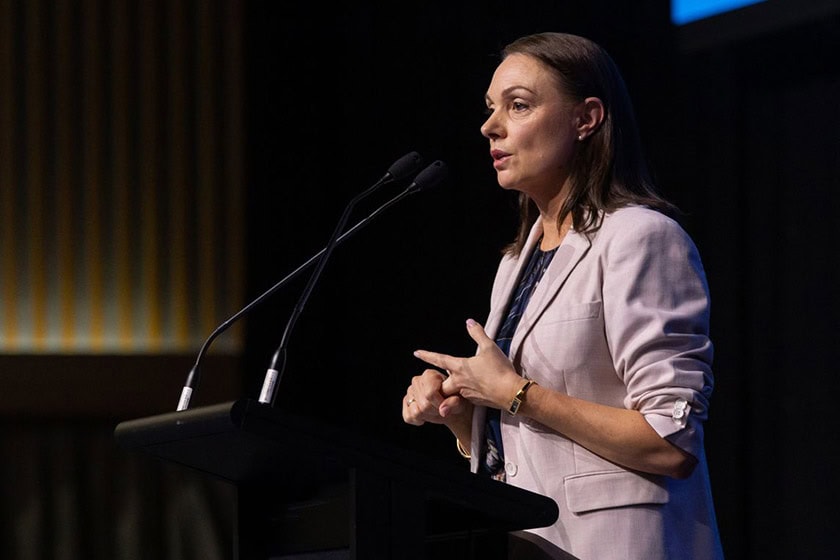
CPA Australia senior policy manager Gavan Ord (pictured left) said the ATO funds were extensions of existing programs and unsurprising given the revenue position.
“Given some of the financial difficulty the government finds itself in, we’re going to see more of this sort of focus on ATO compliance measures.”
“They were going to fund the ATO to clamp down on multinationals as well, and there a few other changes to law to increase the tax take for multinationals, so they’re trying to strike a balance between multinationals, small business and individuals.”
But he said it was disappointing that there was very few positives in the budget for small business and a grand vision was absent.
“We didn’t expect to grand vision but we’d like to see that come through in the next budget and beyond.”
“One of the things really missing is that support for small business to get through these difficult times. They talk up how badly the economy’s going, but then don’t give business anything to help them through this period.”
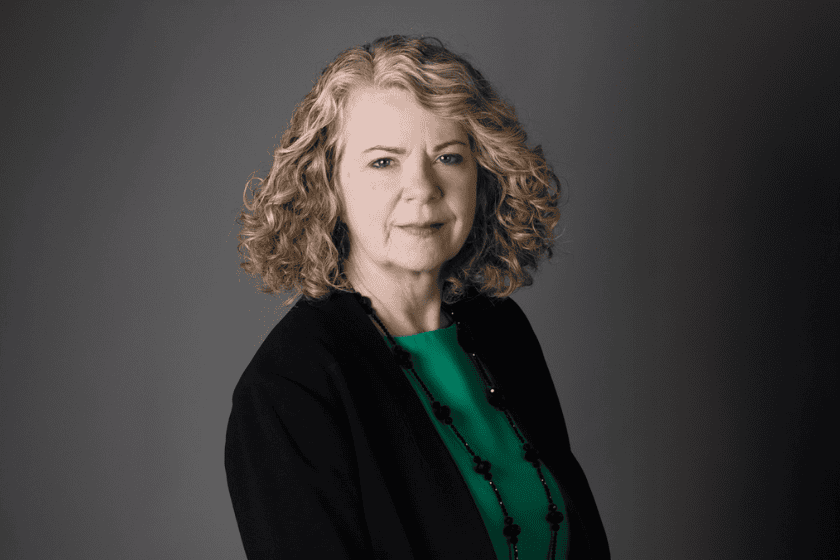
Grant Thornton tax partner Vince Tropiano (pictured right) said the extension to childcare, which will cost $4.7 billion over four years and is expected to allow women to work an extra 1.4 million hours in the first year alone, would be welcomed by businesses struggling to find staff.
“Anything that provides some financial benefit in getting back into the workforce is going to be a huge positive,” he said.
Another measure, to increase the supply of affordable housing could cut both ways.
“The 1 million homes over the next few years obviously will provide a benefit to real estate and construction, which should have a knock-on effect again in employment.
“The challenge there is we have what seems to be historically low unemployment. So the investment is, is a great opportunity. Finding the workforce to build them might be a little bit challenging, and in finding the workforce to build them there may be other projects that fall by the wayside.”
From the perspective of multinational companies, tax partner at HLB Mann Judd Sydney Peter Bembrick said the changed regime might affect some groups that playing by the rules.
“I could definitely see the thin capitalisation changes being of impact to some clients. I’ve been speaking to an overseas client tonight who would definitely be have debt funding … There will be groups that aren’t really doing anything out of the ordinary which would really have look at these. The formula is quite different to what we’re used to.”
Any group with commercial property, for example, would be relying on substantial debt funding.
“They’d be satisfying the current requirements but now we’ve got a whole new set of tests to apply from 1 July 2023.”