The ANZ consumer confidence decreased by 3.2pts last week to 83.6, its lowest level so far this year with confidence declining across all five mainland states.
‘Weekly inflation expectations’ rose 0.3ppt to 5.4 per cent while all the five confidence subindices registered losses.
‘Current financial conditions’ fell 3.2pts. ‘Future financial conditions’ dropped 4.7pts falling below the neutral level of 100 for the first time this year.
‘Current economic conditions’ decreased 1.7pts while ‘future economic conditions’ were down 3.2pts.
‘Time to buy a major household item’ declined 2.9pts.
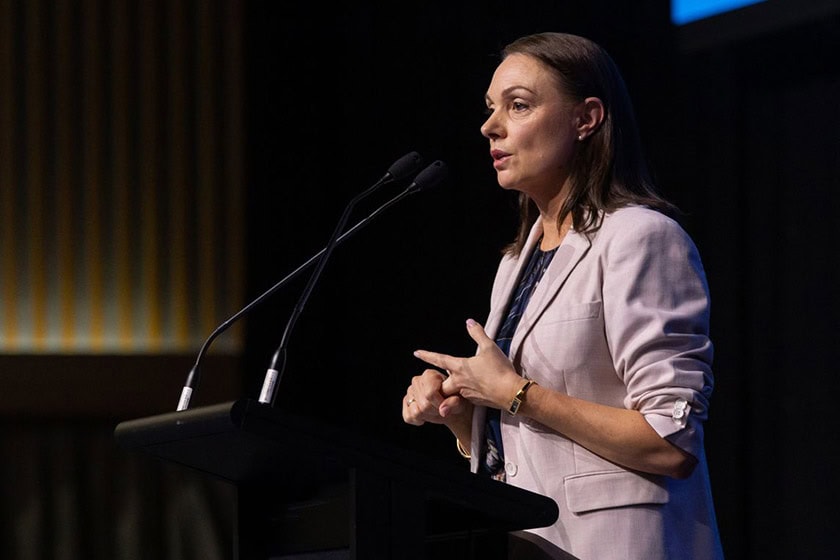
“Consumer confidence experienced its biggest weekly fall since early August 2022,” ANZ senior economist Adelaide Timbrell said.
“Confidence about current and future finances fell sharply, perhaps sparked by concerns about the extent of cash rate rises after the Q4 inflation print.
“Household inflation expectations drifted up but are still lower than expectations during the final three months of 2022. Average confidence among home owners paying off their mortgages fell less than other housing status cohorts, though still ended the week with lower confidence than renters and outright homeowners.”
Meanwhile, the NAB Consumer Stress Index increased in Q4 2022.
Stress associated with the rising cost of living continues to climb (now at a 4½-year high), with groceries, utilities, and transport the most worrying for consumers. With unemployment still low and beginning to translate into wage growth, stress arising from job security is still causing the least stress.
However, job stress is no longer falling and climbed noticeably in Q4. Consumer stress is highest among those aged 30–49 and in the $35,000–$50,000 income group.
Consumers are still buying but are more considered in their spending. Around 40 per cent consumers have cut back or stopped buying coffees or lunches and car trips to save petrol and entertainment. Consumers remain less prepared to cut back on private school fees or tutors; children’s activities; pets; home services (e.g. house cleaning); insurance; and gym, sports, or club memberships.
The NAB survey also found that consumers are still spending but switching to less expensive products to save money and researching to make more informed purchases. Fewer consumers are trying new products and are looking to trusted brands to help them manage current conditions through deals, loyalty programs, subscriptions, budgeting tools and alerts, and flexible payment options. This is providing important opportunities for customer retention.
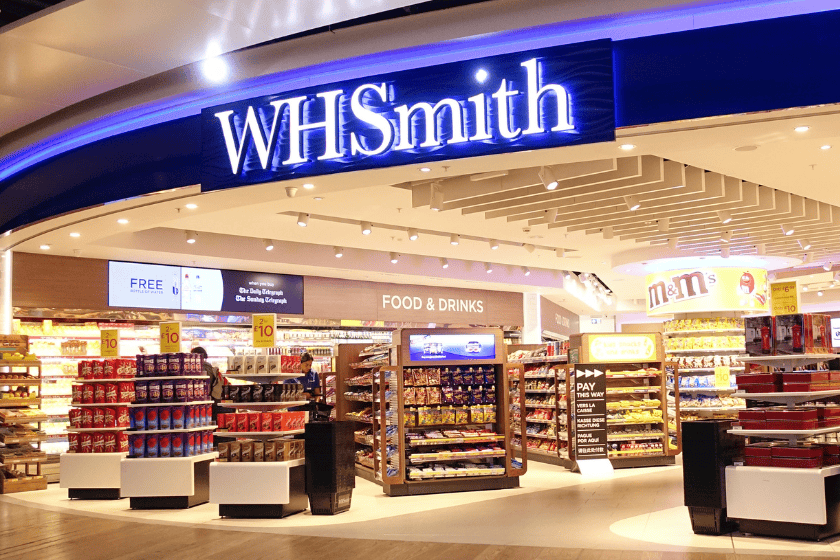
Consumers have also headed back to bricks-and-mortar stores as shopping behaviours continue to “normalise”.
NAB estimated around 13 per cent of the total retail trade is now online, but growth is slowing (particularly compared to last year due to the base effects from lockdowns in 2021). In part, this also reflected consumers allocating more of their discretionary income to services.
Consumers will have less disposable income so enticing shoppers to spend will need to be a key focus of many businesses in the year ahead.