The CPI has now surged to 1.8 per cent for the year to June, pushing inflation to 6.1 per cent, the highest level since June 2001.
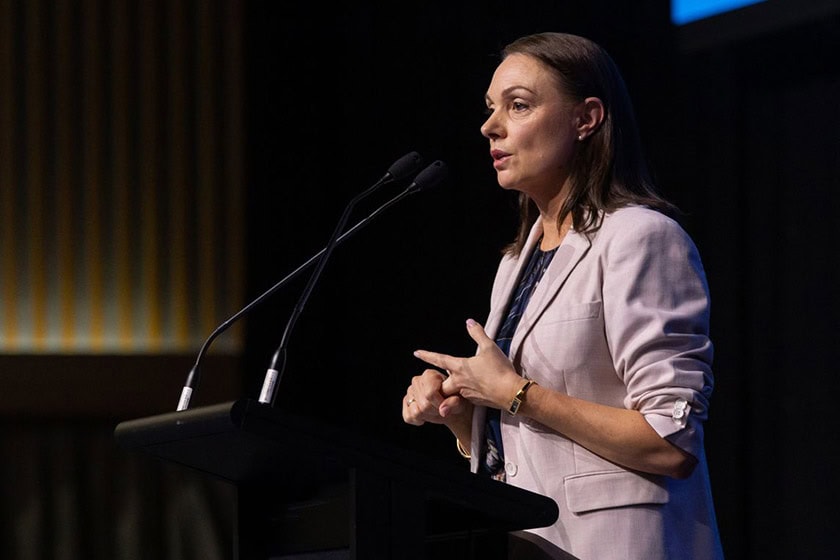
Australian Chamber of Commerce and Industry chief executive, Andrew McKellar, said the alarming new peak in consumer price growth is a reminder of the persistent pressures clipping households and businesses alike.
“The impacts of an energy price spike, supply chain bottlenecks due to COVID-19 and the war in Ukraine, and acute workforce shortages, have driven price increases around the world and Australia is no exception,” he said.
“Australia’s high inflation environment is not unique. In recent months the United Kingdom, the European Union, Canada, New Zealand, and the United States have all recorded their highest consumer price figures in more than a decade. Macroeconomic trends explain increased prices in Australia.
“The reality is businesses are absorbing cost increases where they can. But, with inflation continuing to sting employers, higher consumer prices will persist in the months ahead.
“Coupled with the unexpectedly sudden fall in the unemployment rate to 3.5 per cent, it’s all but certain that the Reserve Bank will further tighten monetary policy at their August board meeting next week.”
The Australian Retailers Association (ARA), said the latest inflation figures paint a grim outlook for the national economy with cost-of-living pressures continuing to mount on consumers and set to add further strain to businesses.
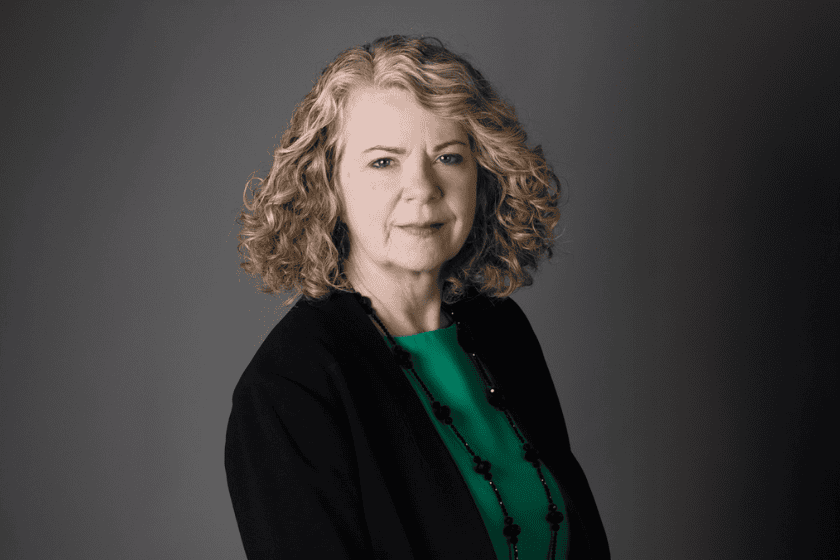
ARA chief industry affairs officer, Fleur Brown, said while households are under increased stress, businesses are also severely challenged by rising operating costs.
“The figures, whilst anticipated, deliver a jolt of grim reality for retailers. Households are under increased stress and businesses too, both large and small, are being severely challenged by rising operating costs,” Ms Brown said.
“Whilst inflation in Australia is tracking lower than overseas, including in the US and UK, the current economic outlook has many consumers and business owners on edge. Inflation is now at its highest levels in over 20 years and further interest rate hikes are set to be an inevitable response from the Reserve Bank.
“The mounting pressure on household budgets is likely to impact discretionary purchases as consumers look to rein in their spending.
“While everyday Australians are being challenged by the rising cost of living, the rising cost of business is in many cases more severe, with employers battling operating cost increases associated with fuel, energy, supply chains and rents. It’s an incredibly challenging environment for small businesses in particular, with many struggling with cashflow after navigating the pandemic pressures.
“Whilst prices are inevitably increasing as business costs mount, we note that food and grocery CPI in Australia is tracking behind overseas – with the US running at 12 per cent, Canada at 9 per cent and the UK at 8.5 per cent.
“A combination of global and domestic impacts are driving food inflation, including ongoing supply chain disruptions and higher transportation costs, while global commodity prices are rising significantly in areas such as fertiliser, wheat and vegetable oil. The situation is compounded by the flooding and poor growing conditions. A primary driver of price inflation on supermarket shelves is the higher prices paid to suppliers to compensate for their higher input and ingredient costs.
“Staff shortages continue to cripple retail and the Federal Government’s Jobs and Skills summit can’t come quickly enough. We need [to] see labour shortages and supply chain challenges remain a top priority for all levels of government to work directly with industry.”