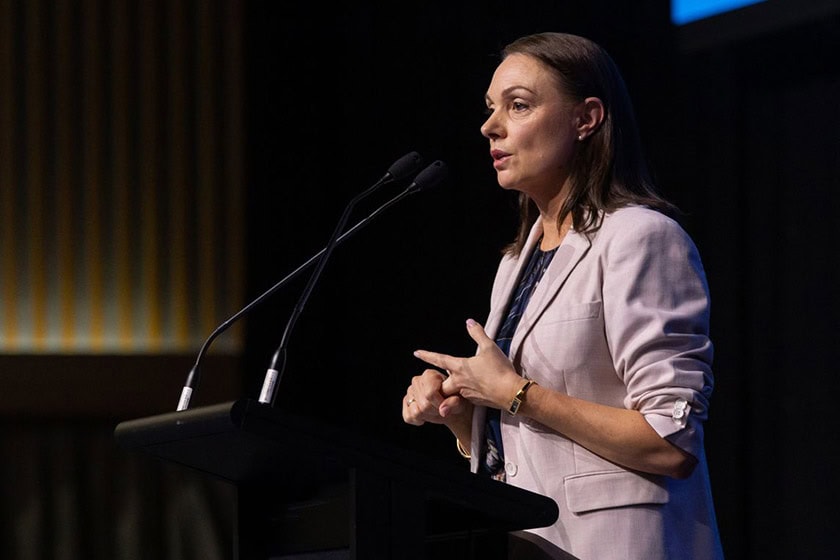
ABS head of prices statistics, Michelle Marquardt, said wages rose 0.6 per cent for the second successive quarter, after two quarters of minimal growth.
“This quarter saw a return to regular patterns of wage growth for the time of the year, supplemented to some extent by pay rises for the final group of award workers scheduled in the Fair Work Commission’s annual wage review (2019-2020),” said Ms Marquardt.
“March quarter 2021’s moderate growth was influenced by regularly scheduled increases. Improved business conditions saw employers revisit wage reviews postponed during the height of the pandemic.”
“The phased approach to the delivery of award increases saw jobs in the accommodation and food services, retail trade, arts and recreation, aviation and tourism industries receive rises previously recorded in September quarters.”
The public sector recorded its lowest annual rate of growth (1.5 per cent) since the start of the series, while the private sector remained at 1.4 per cent for the second quarter in a row.
Wage increase deferrals and smaller increases had an impact on public sector wage growth.
Annual wage growth to the March quarter 2021 ranged from 0.4 per cent for the rental, hiring and real estate services industry to 2.2 per cent for education and training.
Around the country, Tasmania recorded the highest quarterly (0.8 per cent) and annual rate rise (2.0 per cent), while the ACT recorded the lowest annual growth (1.3 per cent) based mainly on the slowing rate of public sector wage growth.
The Wage Price Index measures the change in hourly wages and salaries paid.
Wage subsidies (JobKeeper) and payroll tax changes are not within the scope of this survey.
Further information is available at website: http://www.abs.gov.au/