At a glance
- Professional women often use alcohol and food to cope with workplace pressure, creating counterproductive stress cycles.
- Experts say healthier self-regulation can lead to better sleep, clearer thinking and more energy.
- The Institute of Public Accountant’s (IPA) Women in Practice: Empowerment Collection offers accountants practical strategies that integrate wellbeing with career sustainability.
In an industry where 88% of professionals report that increased working hours are “significantly” harming their mental health and more than 70% of workers have experienced burnout symptoms in the last year, it’s little wonder women in accounting might seek relief in an evening glass of wine or turn to comfort foods when under pressure.
But these seemingly innocent coping mechanisms are increasingly recognised as factors that undermine both wellbeing and professional effectiveness, creating cycles that few can break alone.
When coping mechanisms backfire
Sarah Rusbatch, health and wellbeing coach, says the temporary relief many professional women seek through alcohol creates a counterproductive cycle.
“When we drink, we cause rising levels of the stress hormone cortisol, so we make ourselves more stressed and anxious the next day,” she says. “Many women who I work with report the most significant change when they take a break from alcohol is a drop in anxiety and how much calmer they feel.”

During demanding periods, such as balancing multiple client portfolios through reporting season, what seems like harmless stress relief may actually create a hidden professional disadvantage.
On a neurological level, alcohol enhances the activity of GABA receptors in the brain, creating a sedative effect, but it also suppresses REM sleep, the deep stage vital for emotional regulation and memory consolidation. Over time, this disruption can leave you feeling more anxious and less mentally sharp, even if you “pass out” easily after drinking.
“Even one glass of wine will disrupt sleep architecture and poor sleep leads to us feeling more stressed,” Rusbatch says.
This disruption can cascade through workdays, affecting everything from analytical accuracy to client interactions. In Rusbatch’s recent alcohol-free challenge with 800 women, participants reported “better sleep, more energy, improved sense of wellbeing, less anxious…increased motivation and increased productivity”.
Fueling your focus
While evening drinking can sabotage morning clarity, what you eat during the day could also impact your performance. Chloe McLeod, national manager – nutrition at Verde Nutrition, says what you eat can shape your cognitive abilities.
“There’s a powerful but often underestimated connection between food habits and performance, especially for women in high-pressure roles like accounting. Long hours, tight deadlines, and cognitive load demand sustained mental clarity and emotional resilience – both of which are directly influenced by nutrition,” she says.
That quick sugar hit from processed snacks might fuel a morning of reconciliations, but the inevitable crash could affect your decision-making precisely when you need optimal brain function.
“Skipping meals, relying on caffeine, or grabbing quick, processed snacks can lead to energy crashes, brain fog, and mood swings,” McLeod says.
“In contrast, balanced meals with slow-release carbohydrates, adequate protein, and key micronutrients (aka plenty of colour) can enhance focus, decision-making, and stress tolerance – giving women the fuel they need to thrive, not just survive, in demanding work environments,”
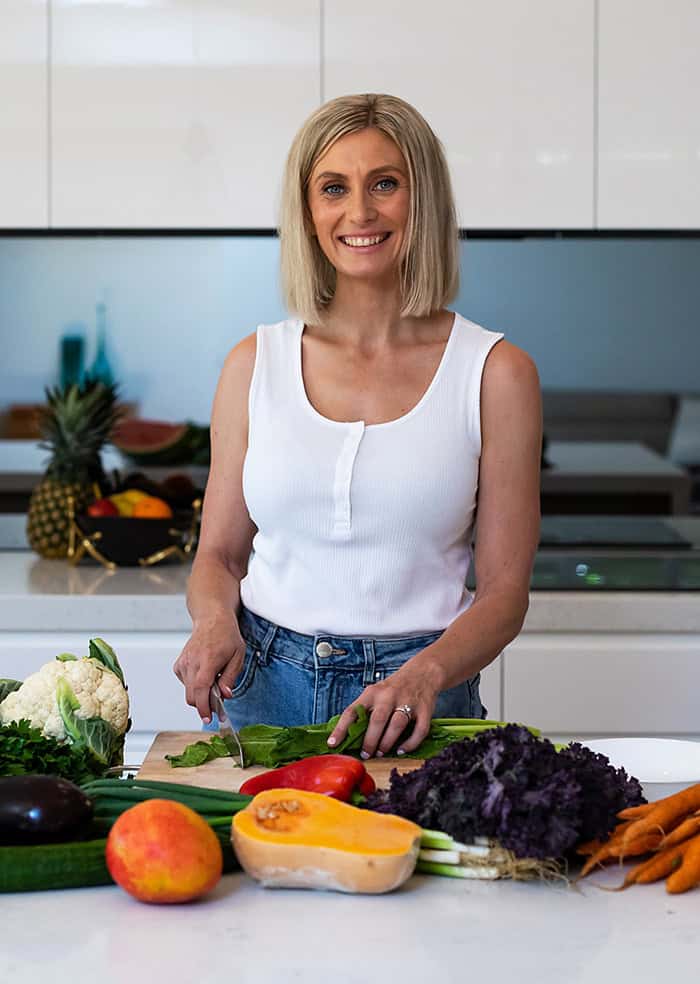
She recommends keeping nutrient-dense snacks on hand and prioritising blueberries, oily fish, walnuts, wholegrains and legumes, as well as leafy greens and other colourful fruit and veggies.
A different approach to wellbeing
Understanding the science behind alcohol and nutrition is one thing. Creating sustainable change within a demanding profession is another challenge entirely.
The traditional approach to professional wellbeing has often been undermined by workplace structures that claim to support balance but reinforce unsustainable patterns. Work-life balance initiatives like flexible arrangements can work against women’s career progression by directing their careers “sideways rather than upwards”.
More effective approaches recognise your wellbeing isn’t separate from your career success but integral to it.
Rather than treating self-regulation as something to pursue outside of work hours, forward-thinking programs acknowledge that managing clients, running a business, family life, and personal growth requires deliberate strategies for physical and mental recovery.
This is precisely why the IPA developed the Women in Practice: Empowerment Collection.
Rather than positioning wellbeing as separate from professional development, the series of workshops and online experiences integrate personal health strategies directly into career advancement for women in accounting.
The program’s first session tackles self-regulation with food and alcohol, bringing together guest speakers Sarah Rusbatch and Chloe McLeod – specialists who understand both the science of wellbeing and the specific pressures professional women face.
Join us online on Wednesday, 14 May, to learn practical strategies for breaking unhelpful patterns with food and alcohol and how to build sustainable self-regulation habits.
IPA CEO Andrew Conway has started a fundraiser for the Male Hug to run at least 24.19 km a week until October (Talktober) to raise awareness about the more than 2,419 men who die by suicide in Australia each year. Visit Andrew’s GoFundMe page here.