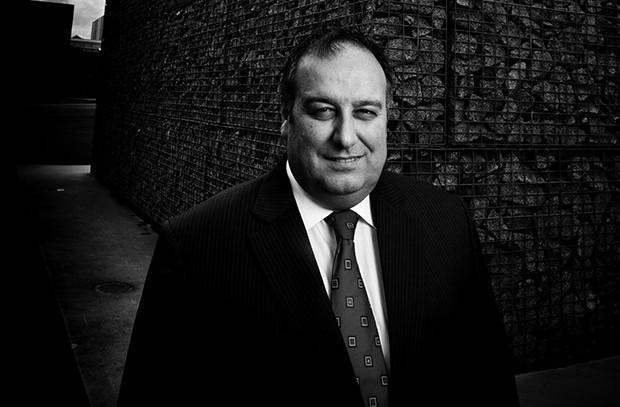
Title: Chief Executive Officer
Organisation: MDB Accountants
Location: Melbourne
IPA status: FIPA
Describe your career path
Over the past 10 years, my focus has changed from public practice and compliance work to business development and advisory work. In 2001 an investment banker client of mine approached me to assist him in setting up a public company on the ASX to invest in oil and gas assets in California. I became chairman of the company and we had success with our exploration activities. Investors did very well when the company was taken over by a Hong Kong hedge fund in 2006.
I have also partnered with clients on joint ventures to assist them in managing and expanding their businesses.
What are your responsibilities as a director?
I am currently director of two public listed companies on the ASX involved in oil and gas exploration in the US. I am also involved in an engineering company specialising in gas pipeline design, a company that hires out shoring systems to the construction industry, and a make-up company with products sourced from the US and distributed Australia-wide to the professional market.
I am involved in the day-to-day running of these companies and employ staff within my practice to assist me with all facets of running public companies. My responsibility as director is to bring discipline to ensure that good ethics and commercial practices are followed.
How did you become involved in joint ventures?
One of the greatest benefits of working in public practice is the exposure you gain to so many different industries, clients, solicitors, bankers and other advisers. Before I became involved in joint ventures, I felt that I was not fully utilising my skills to advance my financial wellbeing. I’d always been very conservative when it came to investing in projects and taking business risk. I decided to change this mindset and to become one of my own ‘top 10’ clients. I found that by being involved with clients on various projects I was able to bring a different dynamic to the business and control various aspects that normally land business into hot water.
How do you manage to spend so much time overseas?
Being involved in public companies with US operations means I am required to travel extensively throughout the year. This is possible because I have loyal team players in the practice.
There are currently 24 staff, including my wife Anna, who is one of the senior managers. She has been a fantastic support helping with the day-to-day running of the practice and enabling me to concentrate on special projects.
At first, delegation was very hard. I had come from a culture where only partners were allowed to deal with clients. I made the conscious decision to have faith in my staff. All accountants now have direct access to our clients and an accountant or manager will only involve me where there is a complex situation requiring my input.
What motivates you?
Helping clients develop start-ups into businesses with hundreds of millions of dollars in turnover, employing hundreds of staff and providing a healthy profit is the motivation.
I have recently been invited by a client to be chairman of his foundation via Social Ventures Australia. Voluntary work is very rewarding – it’s great to be able to allocate funds to areas of the community that require help.
As for mentors, I’ve learnt more from people who have done the wrong thing, which shows just how destructive the ruthless actions of greedy individuals can be to families.
What is the public accountant’s role in the future?
The future of the public accountant is changing. The Government has already flagged that taxpayers will be offered the option of not lodging a tax return. This will affect accountants who rely on individual tax return work as their bread and butter.
We are also facing much more competition from financial planners who are taking a more active role in assisting clients with their financial affairs.
Accountants need to move away from just doing compliance work and get more involved in assisting clients manage their business and risk on an active and real time basis. It is too late to help a client when he sees you 12 months after the fact.
Accountants need to cease being historians and get involved with clients when things are actually happening to ensure that deals are structured correctly and clients are given choices at the time they are about to make a business decision that if not done correctly could end in disaster.