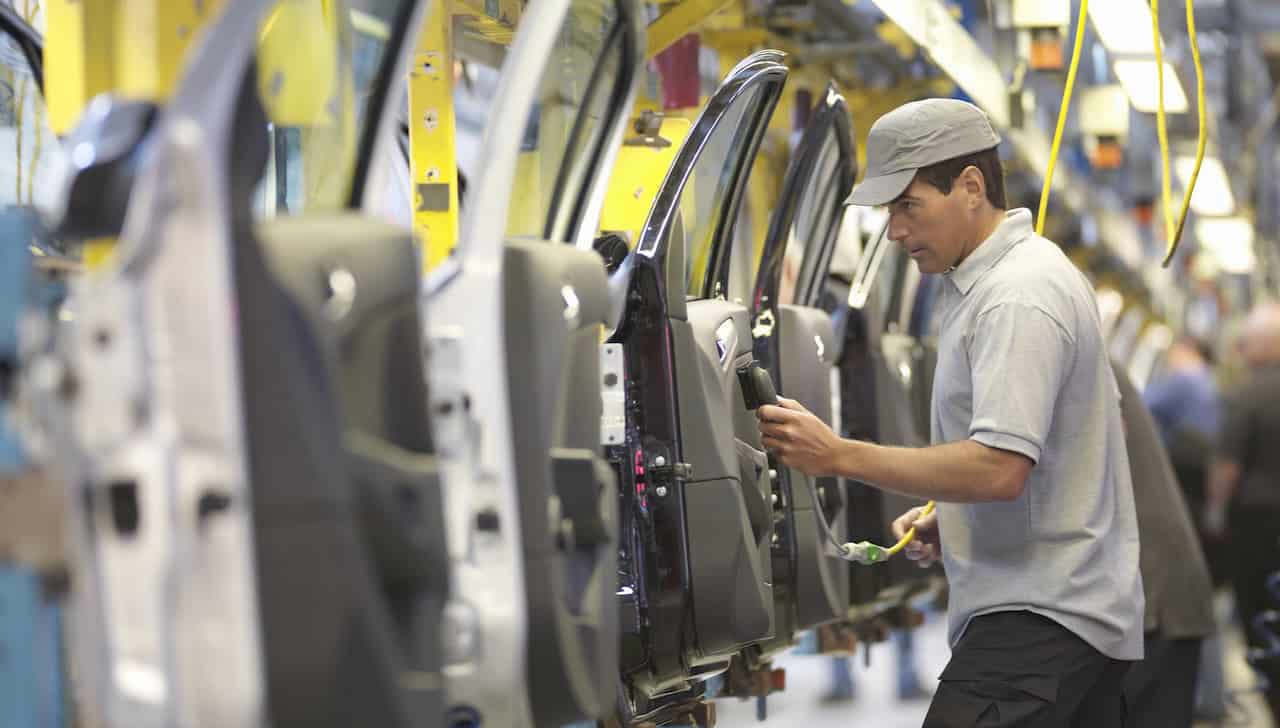
Sizing up productivity
But if productivity is linked to investment in staff development and learning opportunity, how should companies measure their employees’ efficiency levels and identify the scope for growth?
Effective productivity measurements should provide managers with data that can rank employees according to the frequency of their output as well as their quality of work. Traditionally, efficiency has been calculated by comparing the actual time it takes an employee to perform a UOS (unit of service) against the theoretical time it
takes to complete the given task. However, the accuracy of this metric can fluctuate between industries and fail to take into account important variables as well as the nature of the job itself.
“In the case of a retail organisation, productivity correlates with the quota of sales you make an hour,” says Menon. “If you’re working in a warehouse, UOS is calculated according to the cartons you shift. The problem with these metrics is that they don’t take into account other signs of employee productivity, such as innovation.”
Menon identifies project-based metrics, which assess efficiency based on the ability to meet defined deliverables, as one way around this. For accounting practices, a good place to start is to define the metrics
by identifying key accounting functions, such as the number of days to produce financial statements, forecasting cycle days or how many invoices need intervention before being processed.
How each metric is measured and the frequency of the measurement should then be agreed upon – in some instances, accuracy will be more important than timeliness.
The final step is making sure that results are reported and regularly fed back to the individual, with areas for improvement highlighted in a constructive manner and positive results always celebrated.
[breakoutbox][breakoutbox_title]Improving employee productivity[/breakoutbox_title][breakoutbox_excerpt]Businesses need to take their responsibility for their employees’ efficiency…[/breakoutbox_excerpt][breakoutbox_content]Businesses need to take responsibility for their employees’ efficiency and invest in training, development and learning opportunities.
It’s important to work with your employees – valuing your staff is the first step to reaping productivity rewards.
Provide a stimulating and challenging work environment that fosters excellence and a sense of excitement.
Reward your employees for work done well, which can include non-financial rewards, such as a long lunch break or verbal recognition.
[/breakoutbox_content][/breakoutbox]