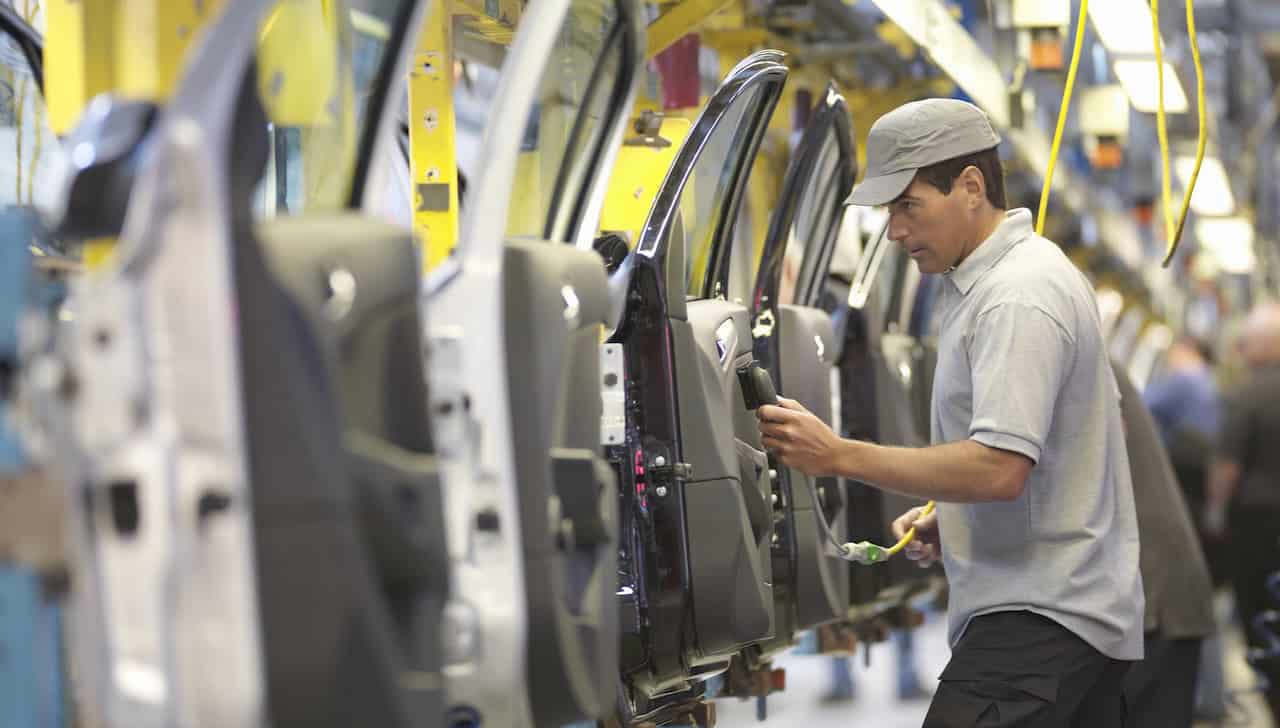
The budget allocates $20 million to encourage shoppers to buy Australian products and services.
In a move that has reverberated across the global economy, Trump is considering a two-step tariff regime on April 2 to impose immediate tariffs while conducting formal investigations into trading partners.
Australian Chamber of Commerce and Industry CEO Andrew McKellar, who also serves on the board of the Australian Made campaign, to supported the Government’s $20 million for a Buy Australian campaign in encouraging people to buy locally.

“We welcome very much the $20 million on the Australian Made campaign, or Buy Australian campaign,” he said at the event also hosted by the Canberra Chamber of Commerce.
“We do think that that sort of money and depending on how it is allocated, and those details have to be resolved yet, but we think it’s a welcome contribution.”
Australia has a ‘strong brand value’
McKellar insisted the investment could be “effective in raising awareness about the great things that Australian businesses are doing in terms of making products here, good quality, competitive products”.
“Our brand has a strong value,” he said. “We haven’t seen Governments in the past spending this kind of resource on a campaign like this domestically.”
A unified, bipartisan approach was needed to effectively tackle the current trade challenges, McKellar said.
“From a business point of view, this is very much Team Australia,” he said.
“We are working closely with the Government… I would urge on this that as much as possible…let’s adopt a bipartisan approach. Let’s adopt an Australian first approach.”
More needed to ‘sandbag’ the US trade storm
Senator David Pocock disagreed, saying while it was a welcome move, “that’s not going to do much”.

“You know, the Government spent $90 million just explaining two policies to Australia, stage three tax cuts and Future Made in Australia,” he said. “So, I don’t think we’re doing anywhere enough to prepare ourselves for Trump.”
Host and broadcaster Emma Alberici queried whether the budget provided specific measures that “sandbag us against the trade storms that are swirling around us and help protect us from geopolitical uncertainty”.
Migration, housing and business growth
The panel also explored the interaction between migration policy, housing affordability and business growth as key themes impacting small business. McKellar cautioned against a “one-size-fits-all” policy solution to international students, Australia’s third largest export industry at $40 billion.
“[Australia’s] brand has a strong value. We haven’t seen Governments in the past spending this kind of resource on a campaign like this domestically.”
Andrew McKellar, Australian Chamber of Commerce and Industry CEO, board member of the Australian Made campaign
“We have major concerns about efforts to try and cap this industry,” he said.
“Yes, I think there are some players in the sector who have really milked this for all it’s worth, and who’ve taken it to unsustainable levels. But we don’t want to end up with a sort of one-size-fits-all, or a blunt solution that ends up capping a significant export industry and most valuable services export industry.
“We don’t want to end up with solutions that penalise private universities or regional universities at the cost of major universities in our capital cities.”
Senator Pocock said he helped thwart efforts to introduce legislated caps on international student numbers. “This was scapegoating students, I think, across the country.” he said.”
“We’re at a 30-year low of research and development funding,” he said. “Many of them have had to go out and fund research through international students.”
He saw great value in “having people around the world who understand us in a world that is becoming more uncertain.”
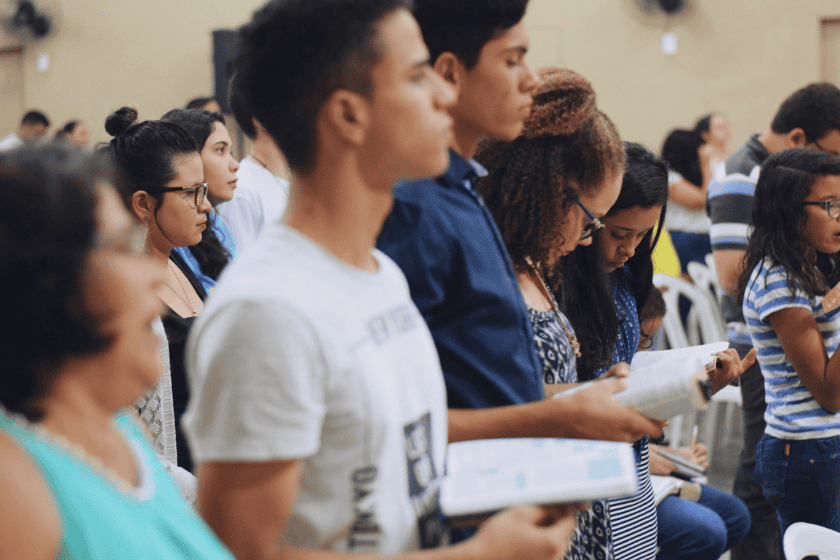
The budget includes measures restricting foreign investors from purchasing new homes over concerns about migration’s impact on housing affordability.
Assistant Minister for Competition, Charities, Treasury and Employment Dr Andrew Leigh said to keep migration at sustainable levels, “we made the hard decisions to set a net overseas migration target that brought migration down to the pre COVID levels”.
“It’s about ensuring that we’re having workers coming in to deal with those skills challenges and that we have the balance right,” he said.

On the housing front, Assistant Treasurer and Shadow Minister for Financial Services Luke Howarth pointed to broader issues impeding supply. He said mum and dad investors had been driven away in response to steep mortgage increases.
He also criticised the Government’s changes to income tax brackets, saying they “killed bracket creep by putting back in a 37% rate. So people are going, ‘Well, why should I invest?'”.
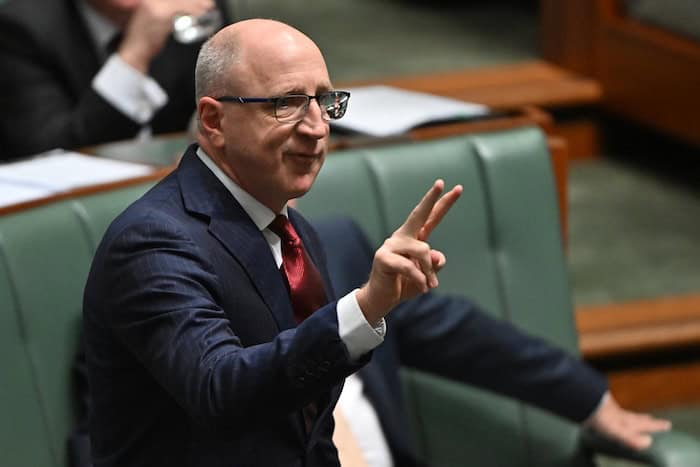
“If you’ve got no new housing being built, and you’ve got 600,000 migrants coming in a year and buying houses, the tenants that were living in those houses, then have nowhere to rent,” he said. “And that’s why you’re seeing tents, caravans, cars, people sleeping in them.”
McKellar warned against turning migration into a political football. “I do honestly caution that we don’t try to turn migration into a political football in the shadows of the forthcoming election,” he said. “I think that’s the temptation that we sometimes see people succumbing to. I don’t think that’s going to be productive in this context.”
The IPA’s Budget Review recording is available online for the next two weeks here.