
At a glance
- New climate standards affect large entities now and smaller entities by 2027.
- SMEs may need to provide Scope 3 emissions data for larger supply chain partners.
- Early preparation gives accountants a competitive advantage.
In the most significant reporting reforms to be introduced in Australia since the adoption of the International Financial Reporting Standards (IFRS), the Australian Accounting Standards Board’s (AASB) new mandatory climate disclosure standards came into effect on January 1. AASB 2 requires large listed and private companies to prepare and lodge sustainability reports alongside their financial reports.
Accountants will be touched by the new regulations, whether embedded in a business or in practice with SME clients caught up in the sustainability value chain. While initially targeting larger entities, these changes will reach Groups 2 and 3 businesses soon and forward-thinking advisors are already preparing for the transition.
Here are five common questions on every SME accountant’s mind, with actionable strategies to stay on top of the new regime.
1. Who is impacted and when?
Although the mandatory climate reporting standards began rolling out from January 1, 2025, they will impact businesses at different touchpoints up until 2027.
“Accountants who upskill now will also be ahead of the pack and ready to assist and advise their clients in Group 3 when their mandatory reporting and assurance applies in 2027/28.”
Daen Soukseun, Senior AdviseR, the Institute of Public Accountants
The requirements apply to entities that lodge financial reports with ASIC under Part 2M of the Corporations Act, including public companies, large proprietary companies and registered schemes. These are categorised into three implementation groups:
- Group 1: large businesses and financial institutions, starting from January 1, 2025.
- Group 2: medium-sized entities, starting from July 1, 2026.
- Group 3: smaller entities, starting from July 1, 2027
Aletta Boshoff, Advisory Partner and National Leader of IFRS & Corporate Reporting and Sustainability at BDO Australia, says phased implementation will see Group 1 lodging a sustainability report for the year ending December 31, 2025.
2. What will clients need to disclose?
The new standards require reporting entities to prepare a ‘sustainability report’ alongside their financial statements, consisting of climate statements for the year, any notes to the climate statements, and the directors’ declaration about the statements and notes.
Climate statements include comprehensive information covering:
- Governance and risk management processes
- Climate resilience assessments using scenario analysis
- Climate Transition Plans
- Climate-related targets
- Material climate-related risks and opportunities
- Specific metrics include Scope 1, 2 and 3 greenhouse gas emissions.
Rebecca Blurton, Managing Director of First Nations Affairs and Founder of The Climate Collective, believes this information can serve a strategic purpose beyond compliance.

“Climate reporting is not just a compliance exercise – it’s a strategic opportunity for businesses to demonstrate leadership, accountability and resilience,” she said.
“By treating climate disclosure as an integral part of governance, rather than a tick-box task, companies can build trust, attract investment, and create long-term value.”
3. How will this impact supply chains?
While only larger entities face direct reporting requirements initially, Daen Soukseun, Senior Adviser at the Institute of Public Accountants says the standards may create ripple effects through supply chains that accountants can help clients navigate.
“This is an opportunity for accountants in practice to help their SME clients who are in the value chain of the Groups 1 and 2 entities to gather their emission data for input into these Groups’ Scope 3 emissions disclosures,” she says.
Scope 3 emissions, which cover all indirect emissions in a company’s value chain, require large companies to collect extensive data from suppliers, distributors and service providers. This creates both challenges and opportunities for SMEs and their accountants.
“Accountants who upskill now will also be ahead of the pack and ready to assist and advise their clients in Group 3 when their mandatory reporting and assurance applies in 2027/28,” Soukseun says.
4. What are the practical challenges of implementation?
Data collection and management is a key challenge for organisations, Boshoff says.
“Ensuring accurate and comprehensive data collection can be quite complex, especially when it involves multiple stakeholders and value chains,” she says.
Understanding and applying the new standards can also be daunting.
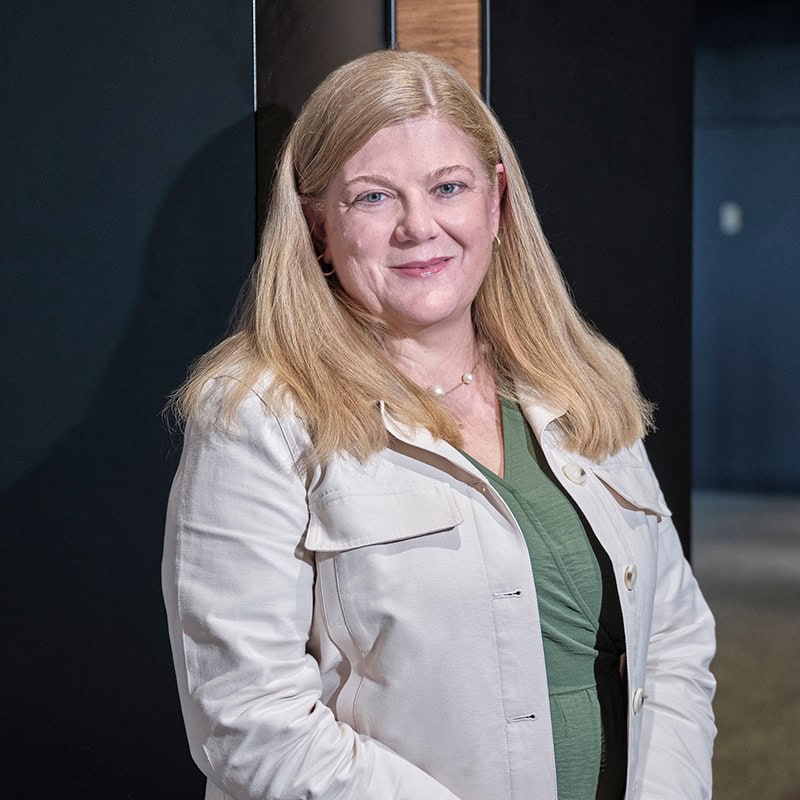
“Many organisations find it difficult to interpret the requirements and ensure that their reports are compliant,” Boshoff says. “This often requires a deep understanding of both the technical aspects of the standards and the broader context of sustainability reporting.”
Resource allocation is another hurdle, with businesses investing in training and potentially specialists to manage the new requirements. For accountants working with SMEs, identifying cost-effective approaches to compliance could be a valuable advisory service.
5. How can accountants prepare now?
With reporting requirements expanding through 2027, practices that advise clients in preparing reports should sharpen their technical knowledge and understanding of their clients’ business.
“Practices need to ensure that the engagement team members and the experts they use in performing the engagement have the necessary competence, capabilities and objectivity,” Soukseun says.
Boshoff recommends accountants in practice:
- Start early by integrating reporting requirements into business operations
- Invest in education for board members and finance teams
- Engage with stakeholders proactively
- Leverage technology for streamlined data collection.
Soukseun says “practices that put in the effort and get in early will be the ones best placed to reap the rewards of the reform for their practice and clients”.
Learn more with IPA’s Introduction to Sustainability Reporting webinar.
The IPA will host the ICSB World Congress, which focuses on small business and sustainability, in Sydney from 7-11 July. More information here.