Micro, small, and medium enterprises (MSMEs) are the backbone of many economies. But their potential is particularly transformative for developing island nations, such as the Solomon Islands.
As a representative of the Institute of Public Accountants, I’ve had the privilege of exploring how these businesses can not only navigate economic challenges but also drive the country towards a more sustainable and prosperous future.
The unique economic landscape of the Solomon Islands
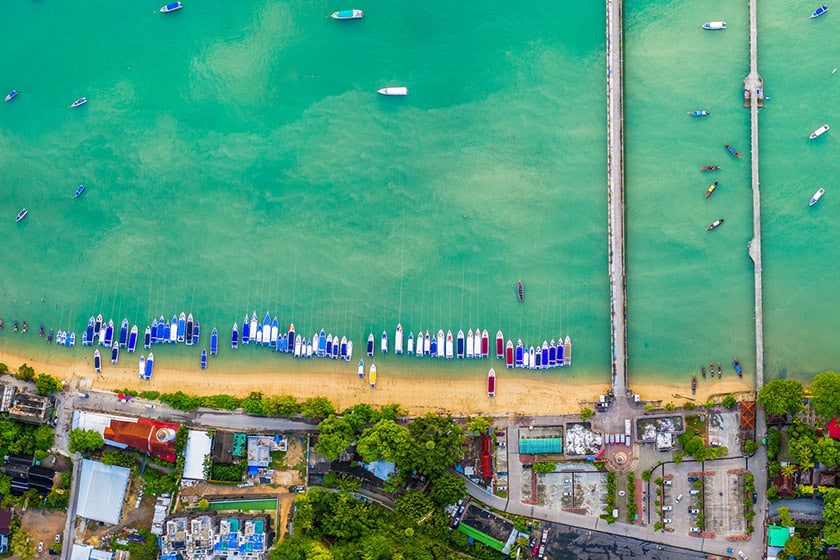
The Solomon Islands is a beautiful but geographically dispersed nation, which creates unique economic challenges. Despite this, the country has a high women’s workforce participation rate of approximately 84%, which is impressive not only for a Pacific Island Country, but also when compared to Australia, which has a women’s workforce participation rate of 63.4%. A vast majority of Pacific women-owned MSMEs, however, operate in the informal sector – about 90%. I believe that if we could help even 10-20% of these women-owned businesses transition to the formal economy, it could provide a massive boost to the country’s GDP.
MSMEs as drivers of sustainability
MSMEs play a crucial role in the future sustainability of the Solomon Islands. Due to their size, they can be more agile and adaptable. They can lead by example by adopting sustainable practices, such as reducing waste and conserving energy. There is also immense potential in MSMEs developing and offering green products and services, such as those made from biodegradable materials or utilising sustainable agricultural methods.
The Solomon Islands is a part of the Small Island Developing States (SIDS) group. While SIDS contribute less than 1% of global greenhouse gas emissions, they face disproportionate challenges from the climate crisis.
However, there is hope, with many new projects either underway or being planned, to assist with the green transition, and to overcome the heavy reliance on imported fossil fuels. Projects like the Tina River Hydropower Project will help supply renewable energy to Honiara. MSMEs can be an integral part of this transition, providing local knowledge and labour, and attracting “green finance” to scale up these efforts.
Opportunities in mining and exporting
The government of the Solomon Islands expects mining output to nearly double in 2025 as logging declines. While this presents a significant opportunity, the right foundations must be in place, including strong environmental protections and transparent revenue sharing with landowners. The Asian Development Bank (ADB) has suggested that rejoining the Extractive Industries Transparency Initiative would attract investment and build trust. In other Pacific nations, such as Papua New Guinea, local MSMEs provide essential support services to larger mining companies, creating jobs and generating training opportunities.
Exporting is another key area where MSMEs can make a difference. The Solomon Islands’ top exports include rough wood, processed fish, and gold. However, there is a huge opportunity to add value to local resources. For instance, exporting products such as cocoa, vanilla, and high-value fish species, or creating value-added products like oil from local crops, could be highly lucrative. There’s also growing global demand for unique handicrafts, eco-friendly products, and sustainable tourism experiences.
Of course, there are barriers, such as a lack of resources and export knowledge. These challenges can be overcome by developing a strategic export plan, improving product quality, and establishing strategic partnerships.
By leveraging the country’s unique brand, MSMEs can tap into global markets and make a significant contribution to the nation’s future. IPA intends to continue to play a role by contributing to the education of new accountants and building a stable and sustainable financial foundation.