and future business needs
Stereotypical accountants, as depicted by Charles Dickens’ novels, appear hunched lifelessly over their desks adding and subtracting endless columns of numbers – a dismal job held by the nameless.
While these fictional portrayals were never accurate, the focus on numbers carries more than a grain of
truth. Traditionally accountants kept the books and ensured that statutory requirements were met. Even as the role became more complex with a proliferation of regulations and a burden of new financial instruments the focus on the books remained.
This picture has indeed been changing over the decades. External influences are driving these changes, business and economic growth, whether positive or negative is a cited key factor for the increase in demand for qualified accountants. The role played by accountancy professionals is evolving into activities that directly guide and support an organisation’s strategic direction.
Ironically, shrinking economic growth may also fuel demand for qualified accountants and tighter controls on spending will need to be matched with greater creativity in generating income streams, which is an area in which accountants can specialise.
The global trend towards convergence and standardisation of reporting standards and tougher laws on compliance continue to drive demand. The accountancy and business environment is becoming more byzantine, whether due to additional regulatory burdens, global competition or innovation in business finance and transactions, and more qualifi ed accountants will therefore be needed to help organisations operate successfully.
It is becoming increasingly recognised that the accounting profession and the roles that accountants play are central to the performance of an organisation – the di fficulty is recognising and recruiting and understanding the role of the next generation accountant.
The trends shaping accounting
There is a growing global expectation that accountants must go beyond technical competencies to fill relatively complex roles with strategic, advisory and risk management dimensions.
There is a greater push for accountants to act as strategic advisers to organisations. Increasingly accountants will be relied upon to provide a predictive interpretation of financial data, and to understand big data technology/ software.
A recent survey conducted by Aequalis Consulting has suggested that tomorrow’s finance professionals must have a firm grasp of technology.
The cloud services trend will result in an environment where there are massive amounts of information available, as well as the scalable computing environment necessary to store, retrieve and process that data. The technical ability to take all this data and analyse in real time, creates new opportunities.
All of this has a significant influence on the traditional accounting environment. Topping the list of skills expected to be more in demand will be enterprise risk management, which aims to manage risks by taking an integrated view of all the various uncertainties that exist across an organisation.
Strategic scenario planning and skills in improving the use of data and knowledge, both of which relate to an organisation’s ability to make effective decisions, are also expected to be more in demand in five years. What this research ultimately reveals is that organisations in a risky, uncertain world need a well-rounded hybrid accountant armed with technical competencies as well as strategic, analytical and softer skills in order to enable sustainable business success.
What skills do accountants need?
The growth in specialised technical expertise is a direct response to changes in the external environment. Finance professionals need to be as commercially aware as they are technically skilled.
As if compliance wasn’t enough, the key findings from the recent Aequalis Consulting survey suggest these additional soft skills are also necessary to succeed in today’s environment:
- communication skills
- analysis skills
- leadership skills
- time management skills
- team building skills
- presentation skills.
The forces of technology and globalisation we are seeing right now are not only changing the nature of work, they are profoundly reshaping global labour markets. Successive waves of the industrial revolution have encouraged greater specialisation both by workers and companies.
Australia has been a net beneficiary of this trend, growing wealth and prosperity as the complexity of its goods and services has increased.
The jobs of the future are likely to be created by individuals, and businesses that continue to specialise further. For example, the growth in infrastructure spending, which has resulted in a shortage of technical accountants with strong PPP knowledge, sees demand outstripping supply.
Australia’s strong economy and low unemployment rate have resulted in a war for talent, with employers often finding it hard to source people when they need them, and leading to recruitment and retention crisis for many organisations. In this rapidly changing environment, no prediction of the future can be anything other than a postulated scenario. What we do know is the future can’t look like the past. It is clear technology can take over routine tasks, but problem-solving is likely to remain a human skill for many decades to come.
Prospects for employment success in the future will be greatly enhanced by the ability to understand business problems and craft solutions that address the issues.
Employer tips
- Identify the business skills sought by finance professionals across the organisations – our research suggests those most valued by organisations are communication skills, analysis skills, leadership skills, time management skills, team building and presentation skills.
- Perform a gap analysis on business skills, identifying areas where there is inadequate or no provision and identify the most effective training mediums for delivery of content. Interactive workshops and seminars are partly useful in developing many business skills, supported by on-the-job training. E-learning mediums can be used to consolidate key learning points.
- Develop a program plan to deliver the training, including regular review and update, and to obtain senior management buy-in and sign off.
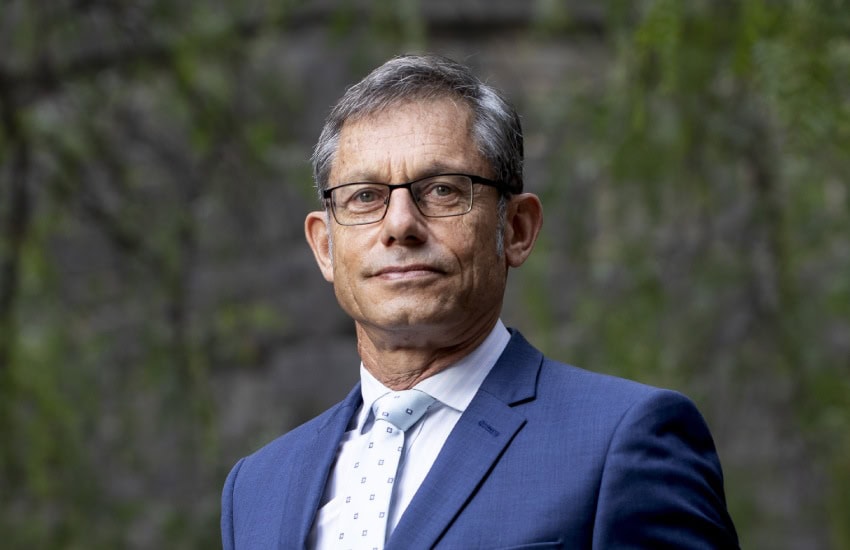
Louise Pope is the founding director of Aequalis Consulting.